Periodontal services
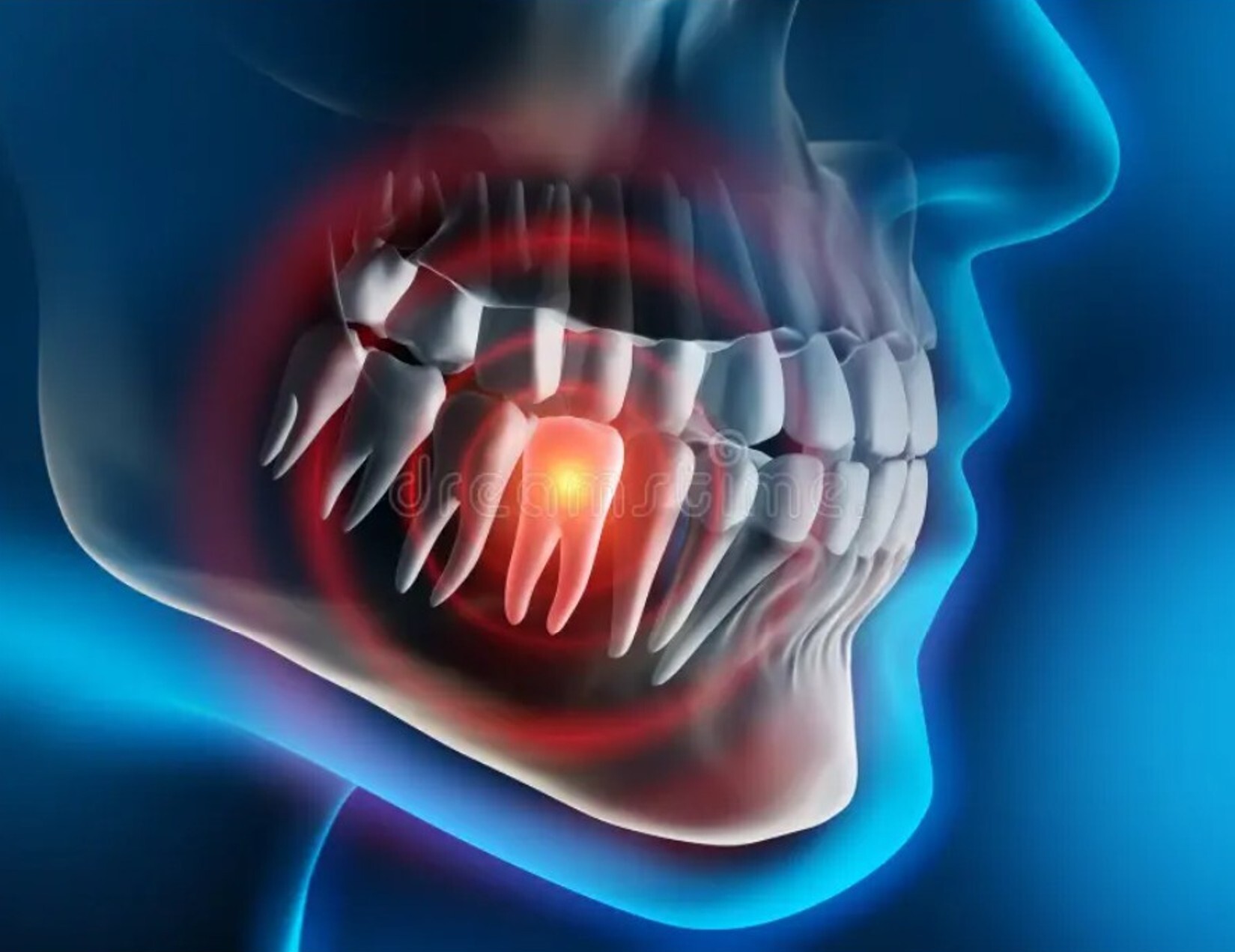
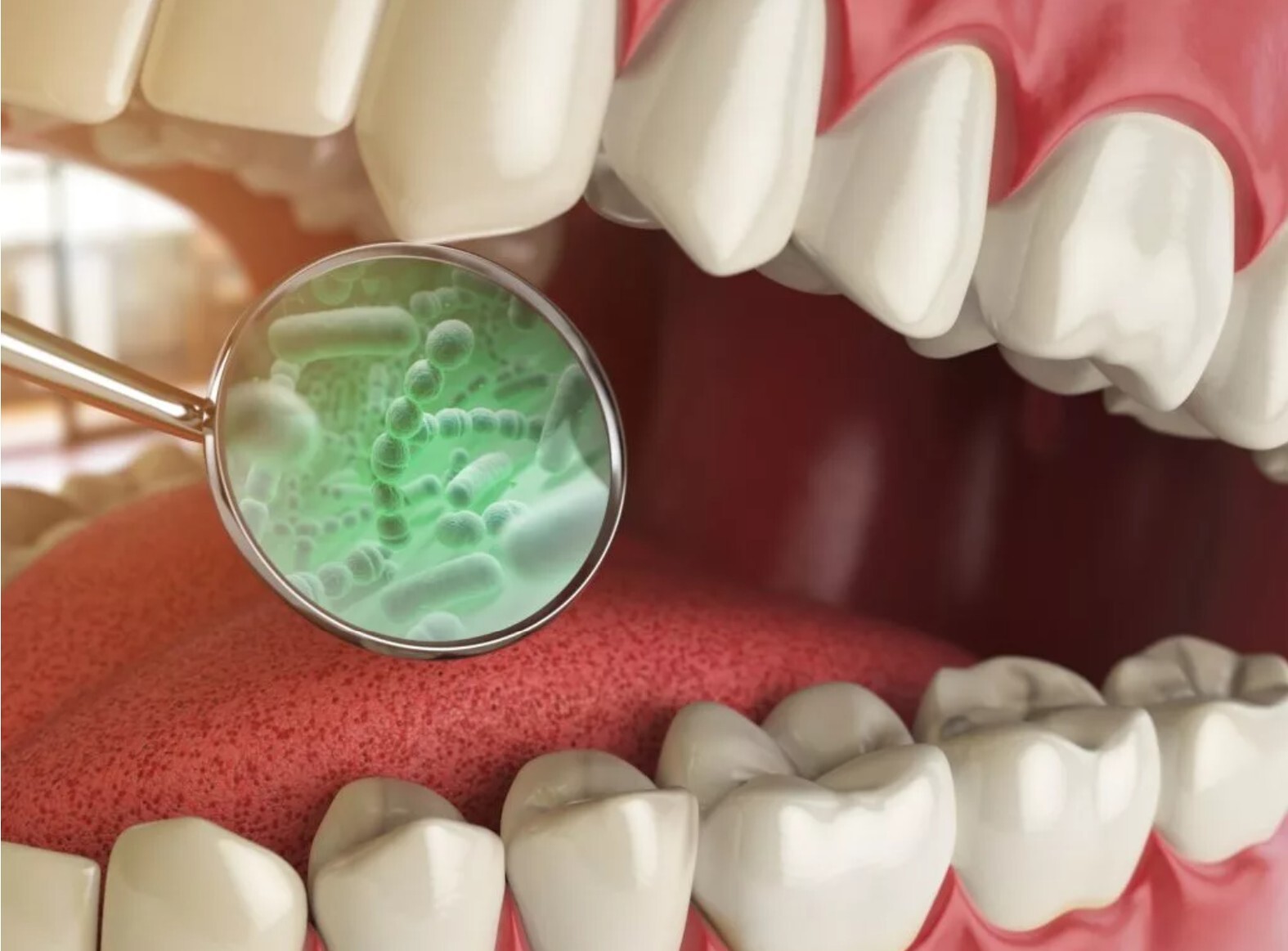
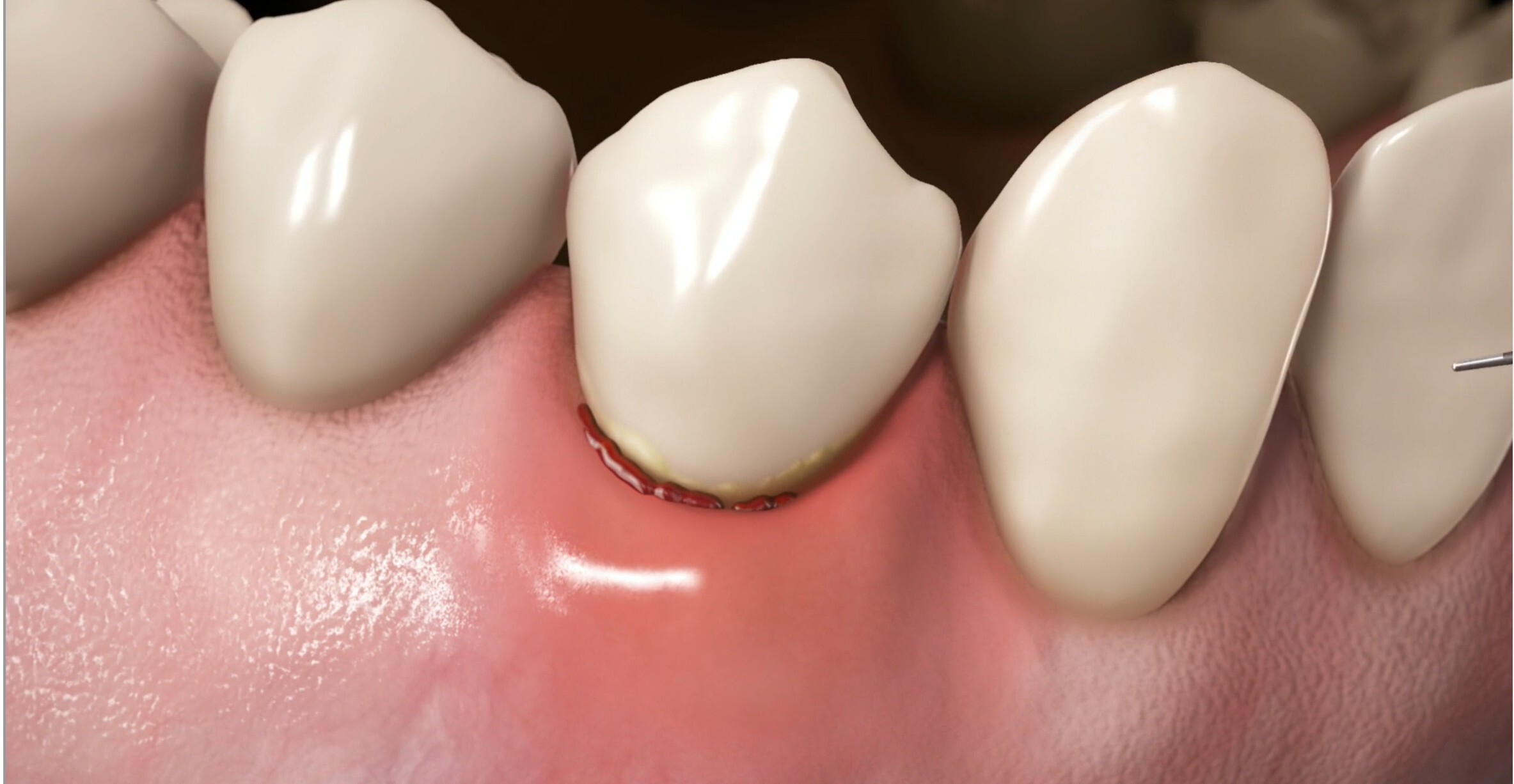
Our comprehensive periodontal services focus on diagnosing and treating diseases affecting the gums and supporting structures of the teeth. Utilizing advanced tools like advanced biologic diagnostic testing, we precisely identify your genetic susceptibility and specific bacteria’s contributing to gum disease, allowing for targeted, effective treatment plans. In addition to minimally invasive procedures and laser therapy, we offer IV therapies to enhance healing and patient comfort. Through regenerative grafting and cutting-edge techniques, we aim to halt disease progression, promote tissue regeneration, and restore both function and aesthetics, helping patients achieve lasting oral health.

Scaling and root planning—commonly referred to as a deep cleaning—is a non-surgical treatment used to manage early to moderate gum disease (periodontitis). This procedure involves removing plaque, calculus, and bacteria from below the gumline and carefully smoothing the root surfaces to discourage further buildup and support gum tissue healing. Scaling and root planning is often the first step in stabilizing periodontal health, preventing disease progression, and preserving the bone that supports your teeth. In some cases, we complement this treatment with antimicrobial therapy, DNA testing to target specific bacteria, or follow-up care to promote ongoing gum regeneration and protect long-term oral health.
Gum Surgery
Gum surgery is often recommended when periodontal disease has progressed beyond what non-surgical therapies can manage. These procedures allow us to address deep infection, correct tissue defects, and rebuild the supportive foundation around the teeth. However, gum surgery is not limited to disease management—it is also used to enhance the aesthetic appearance of the smile by reshaping uneven gum lines or correcting excessive recession. Using modern, minimally invasive techniques—including microsurgical approaches, laser therapy, and biologic materials—we aim to maximize precision, support soft tissue regeneration, and deliver predictable, comfortable results.
Gum Grafting
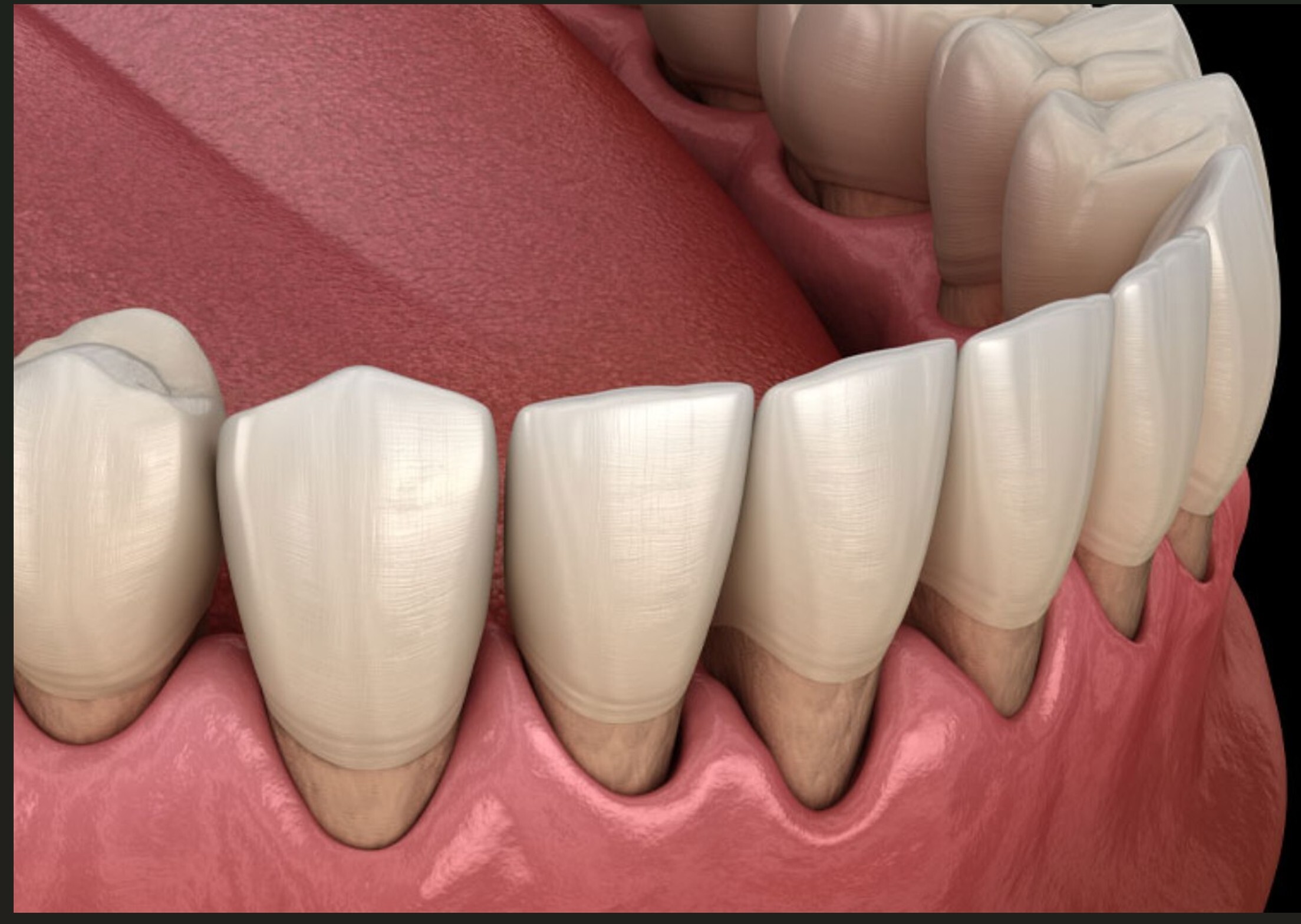
Gum grafting is a specialized procedure used to treat gum recession, protect exposed roots, and restore lost tissue for both health and aesthetic improvement. Receding gums can result from gum disease, trauma, or overaggressive brushing, and may lead to sensitivity, root damage, and an uneven smile. Through microsurgical techniques and advanced materials—including connective tissue grafts, allografts, or biologic membranes—we rebuild the gum line to enhance coverage and stability. Gum grafting not only reinforces soft tissue but also supports long-term regeneration and helps maintain the integrity of your teeth and implants.
Laser Surgery
Laser periodontal surgery offers a minimally invasive alternative to traditional techniques for treating gum disease and reshaping soft tissues. Using targeted light energy from laser-assisted therapy (Er:YAG and Nd:YAG), lasers can gently remove diseased tissue and bacteria while preserving healthy structure—often with less discomfort, reduced bleeding, and faster healing. Laser therapy also stimulates natural regeneration of bone and gum tissue, making it ideal for both functional and aesthetic outcomes. This advanced approach is especially effective for deep pocket decontamination and peri-implantitis treatment, supporting long-term implant success and overall oral health.
Guided Bone and Gum Regeneration
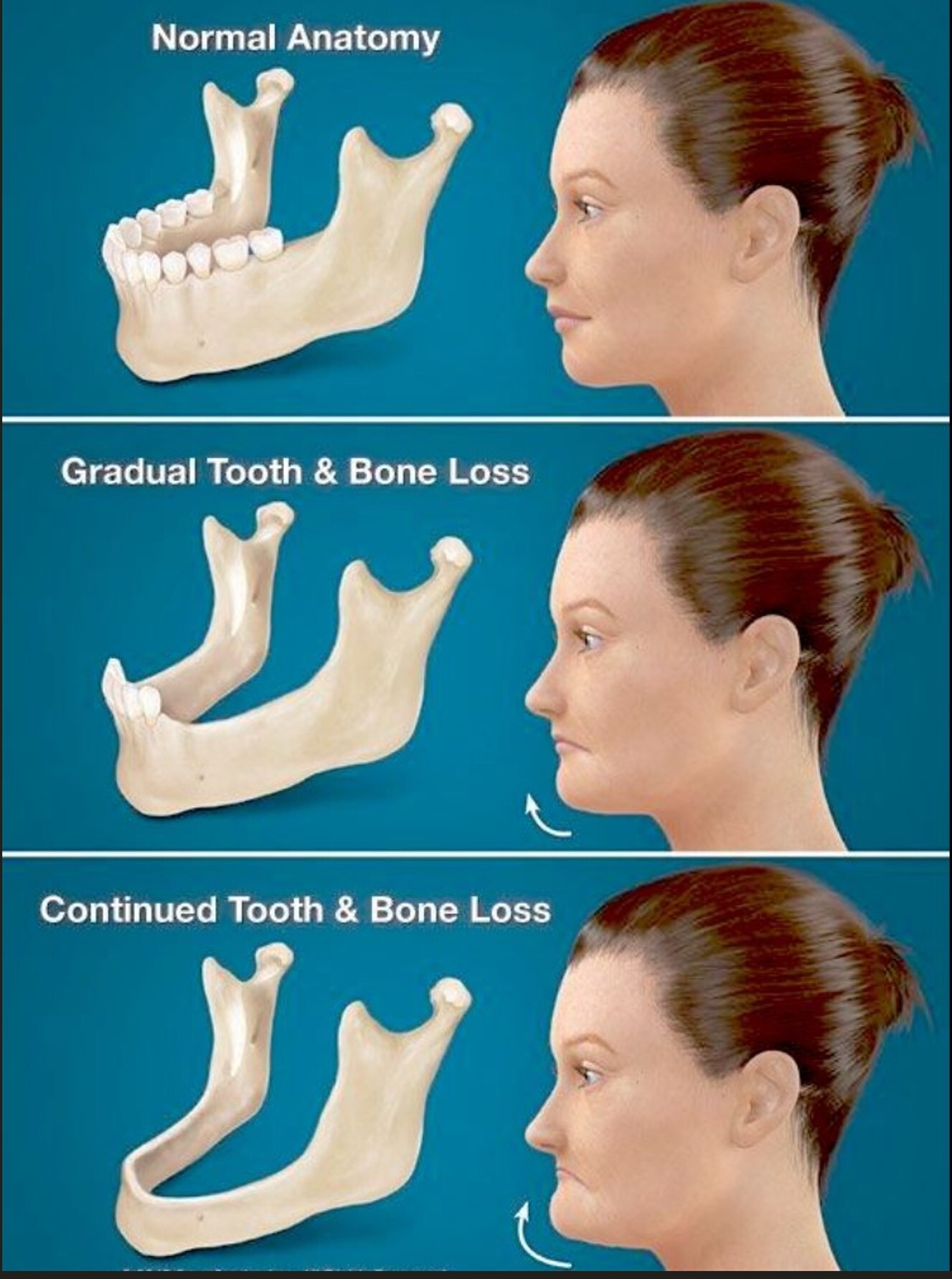
Guided bone regeneration (GBR) and guided tissue regeneration (GTR) are advanced procedures designed to rebuild the bone and gum tissue lost to gum disease, trauma, or long-term tooth loss. These techniques are essential for stabilizing natural teeth or creating a healthy foundation for dental implants. We use biocompatible materials such as allografts, xenografts, and Platelet Therapy—a healing concentrate derived from your own blood—to promote natural regeneration and reduce healing time. Resorbable membranes are placed to protect the site and guide tissue growth, allowing for predictable and durable outcomes. Whether restoring function or improving aesthetics, guided regeneration helps rebuild the structures that support a long-lasting, healthy smile.
Crown Lengthening
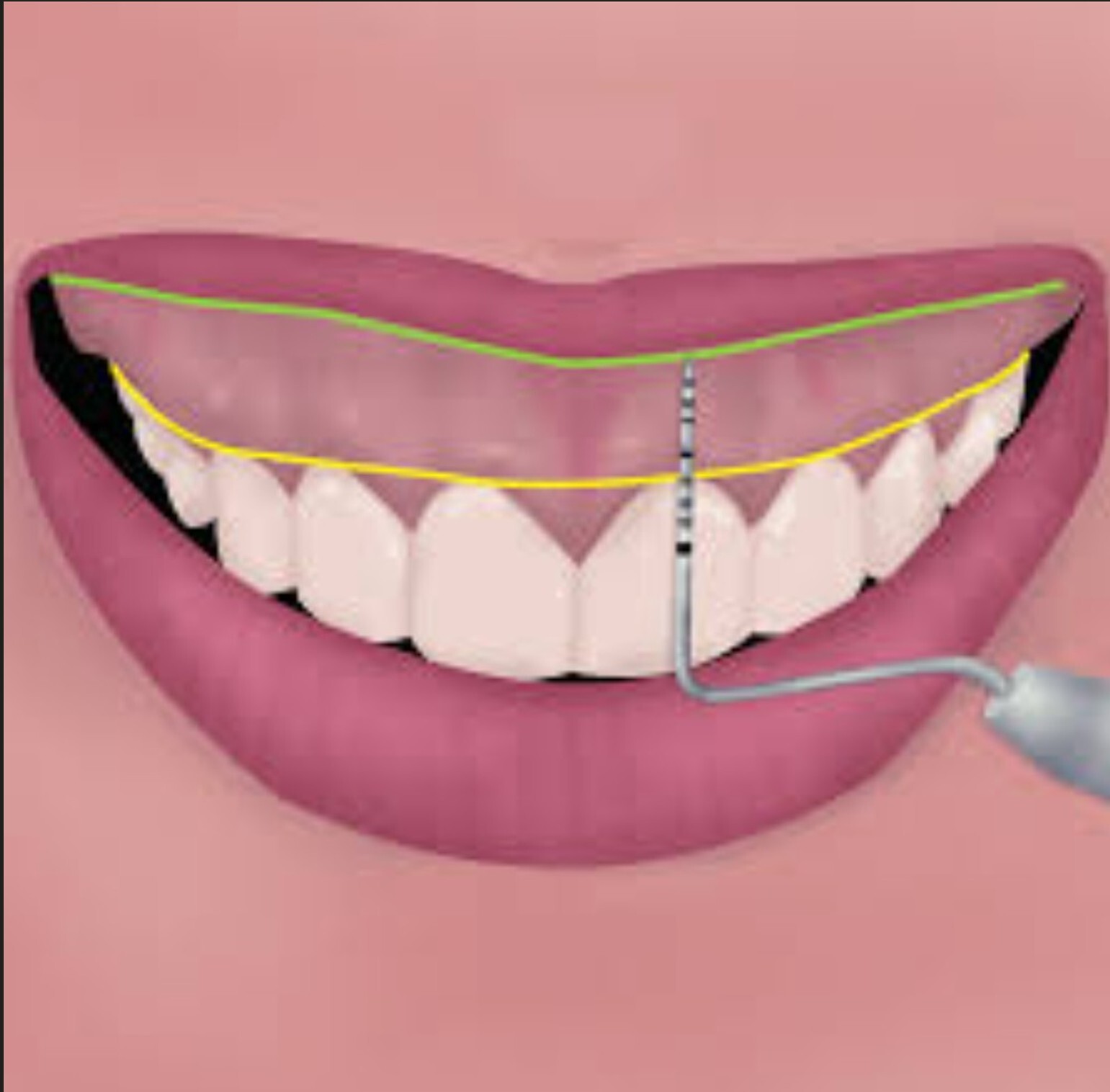
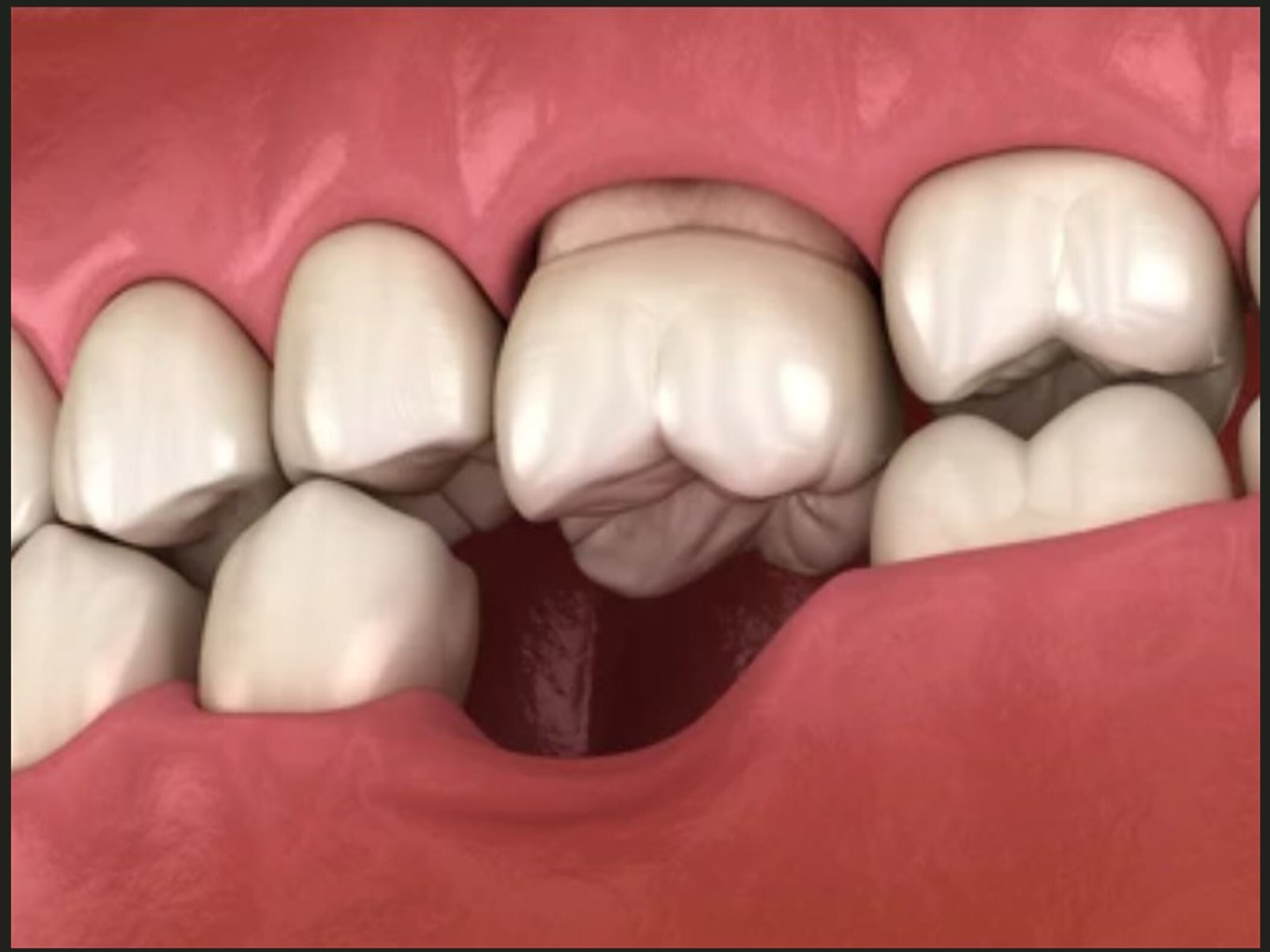
Crown lengthening is a precise surgical procedure that reshapes the gum tissue and supporting bone to expose more of the natural tooth structure. It is often performed to facilitate restorative treatments—such as placing a crown on a tooth that is broken or decayed below the gumline—but it can also be used to improve aesthetic concerns, gingivectomy. By carefully adjusting the gum contours, we enhance both the appearance and accessibility of the tooth, supporting healthier margins and longer-lasting restorations. With advanced techniques and a focus on minimally invasive care, crown lengthening can achieve both functional and cosmetic goals with excellent results.
F.A.Q.S
A periodontist is a dental specialist who focuses on the prevention, diagnosis, and treatment of gum disease,
bone loss, and other conditions affecting the supporting structures of the teeth. You may be referred to a
periodontist if you:
- Have bleeding or receding gums
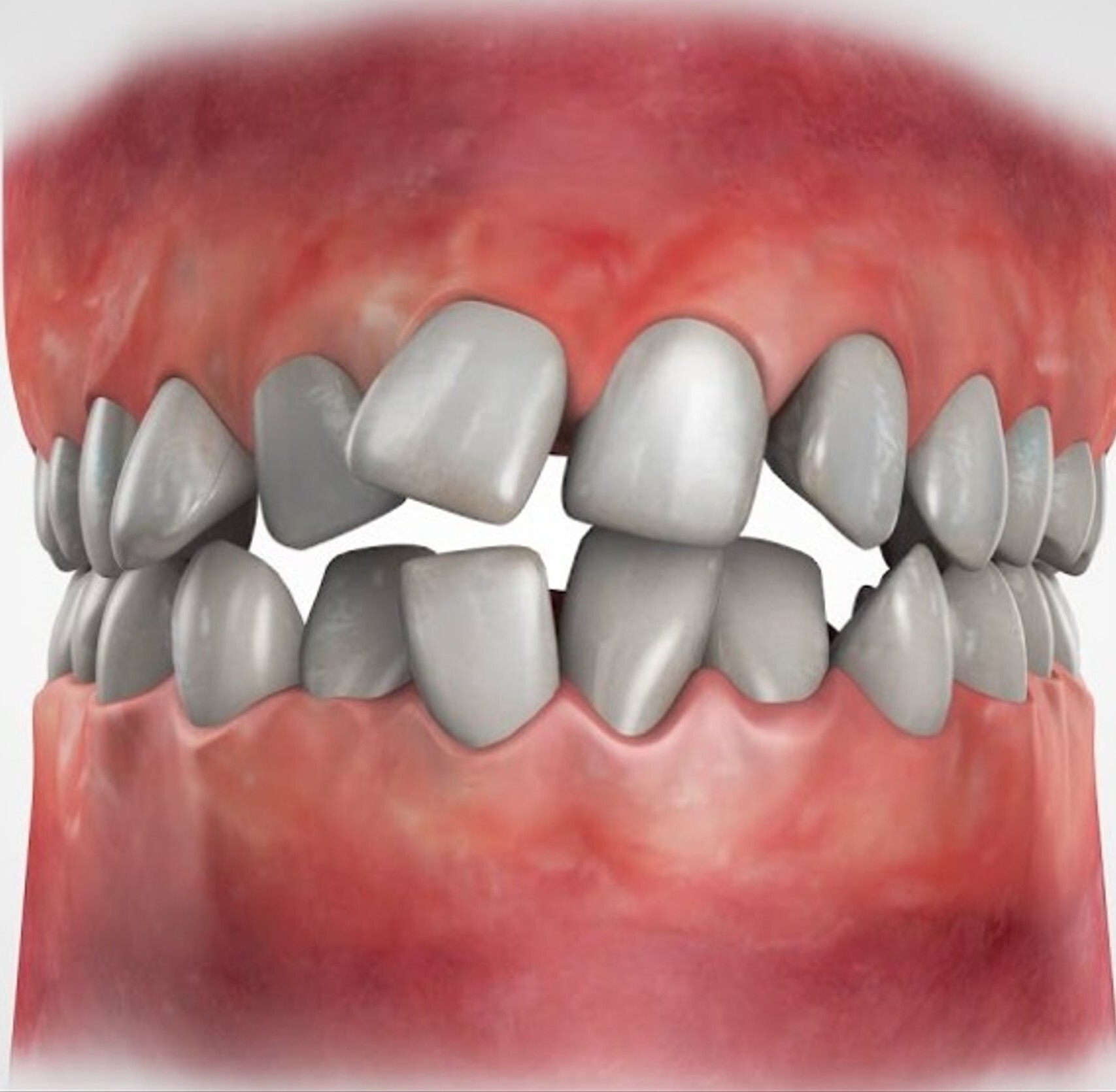
- Experience loose teeth or bone loss
- Need dental implants
- Have a medical condition that complicates oral health (e.g., diabetes, osteoporosis)
- Are not responding to regular dental cleanings and care
Our specialized training allows us to perform advanced surgical and non-surgical procedures to preserve your natural teeth, improve oral health, and restore your smile.
Why The Future of Periodontics Is Here?
At Potomac Periodontics & Implant, we combine 3D printing, facial scanning, and artificial intelligence to create a fully customized and naturally beautiful smile—tailored precisely to your face and bone structure.