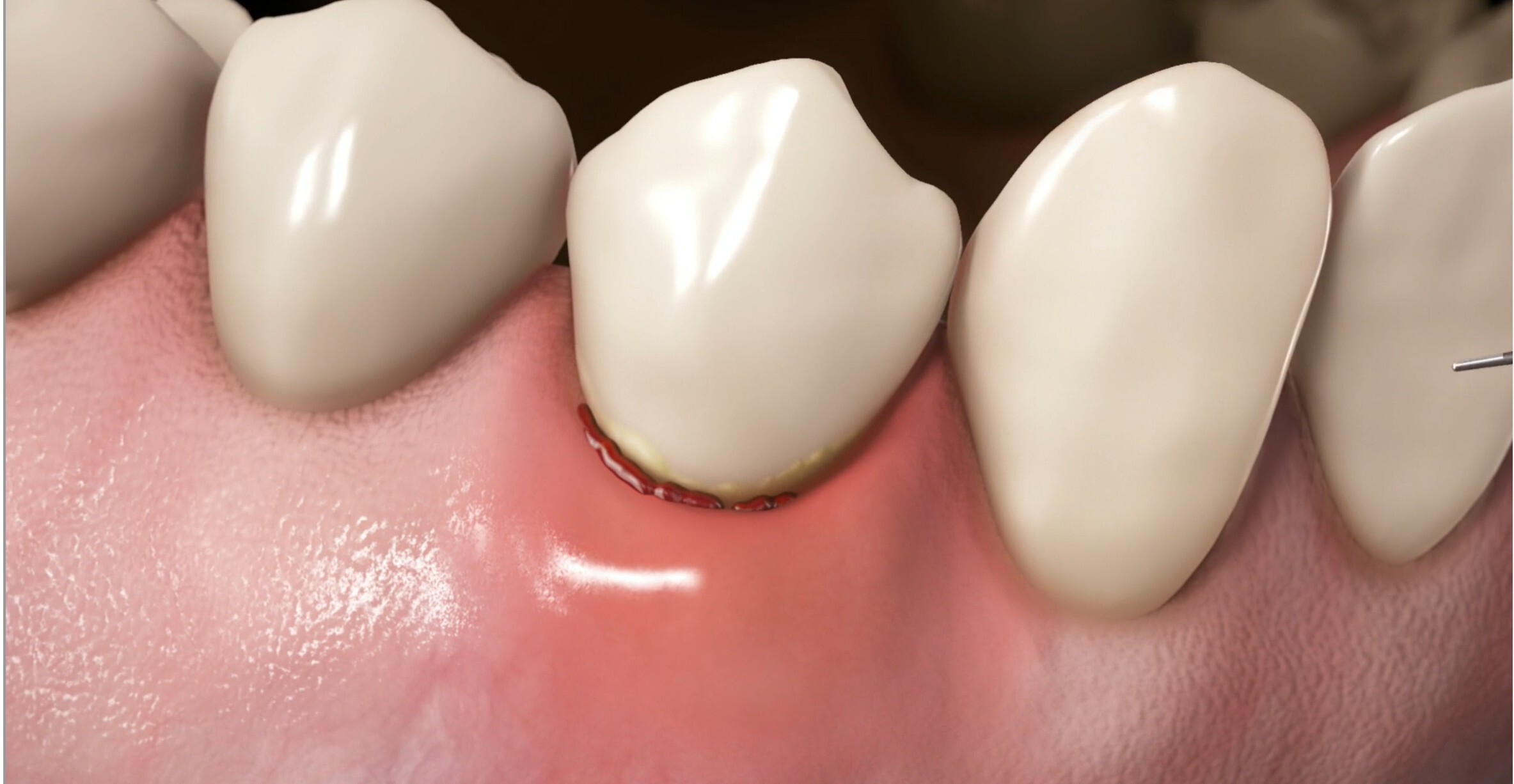
Alternative Types of Implants
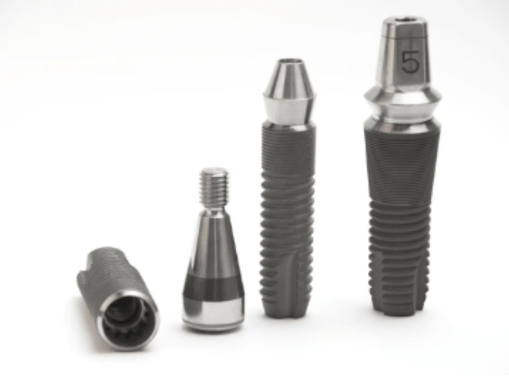

Titanium Implants
Today, the majority of dental implants are made from titanium—and for good reason. Titanium is a strong, lightweight metal that is biocompatible, meaning it is safe to place in the body and well-tolerated by bone and surrounding tissues.
One of the biggest advantages of titanium is its unique ability to fuse directly with the jawbone in a process called osseointegration. This creates a stable, long-lasting foundation for a crown, bridge, or denture—just like a natural tooth root. Once integrated, titanium implants can last for decades with proper care.
Titanium is also corrosion-resistant and durable, making it ideal for withstanding the forces of chewing and daily function. It’s been used successfully in both dentistry and medicine (like hip and joint replacements) for many years, with an excellent track record of safety and performance.
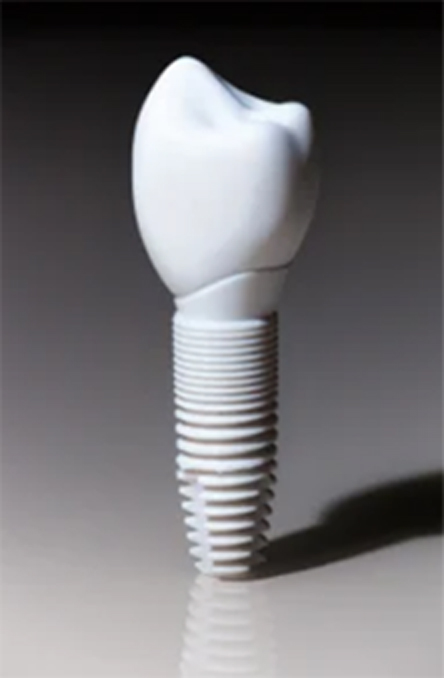
Zirconia Implants
Zirconia Implants: A Metal-Free Alternative
While titanium remains the most widely used material for dental implants, zirconia implants are an excellent metal-free alternative for patients who prefer a more natural or holistic approach to care.
Zirconia is a high-strength ceramic that integrates well with the jawbone, creating a stable foundation for crowns, bridges, or dentures. One of zirconia’s key advantages is its aesthetic appeal—its naturally white color closely mimics the look of real teeth and avoids the gray tint that can sometimes be seen through the gums with metal implants.
In the past, zirconia implants were considered less durable than titanium. However, thanks to advances in materials and manufacturing, modern zirconia implants are significantly stronger, more reliable, and comparable in strength and longevity to titanium. This makes them a viable option even in many cases that were once limited to metal-based implants.
Zirconia is also an excellent choice for patients with metal sensitivities or those looking for metal-free dental solutions, offering both function and aesthetics without compromise.
Subperiosteal Implants
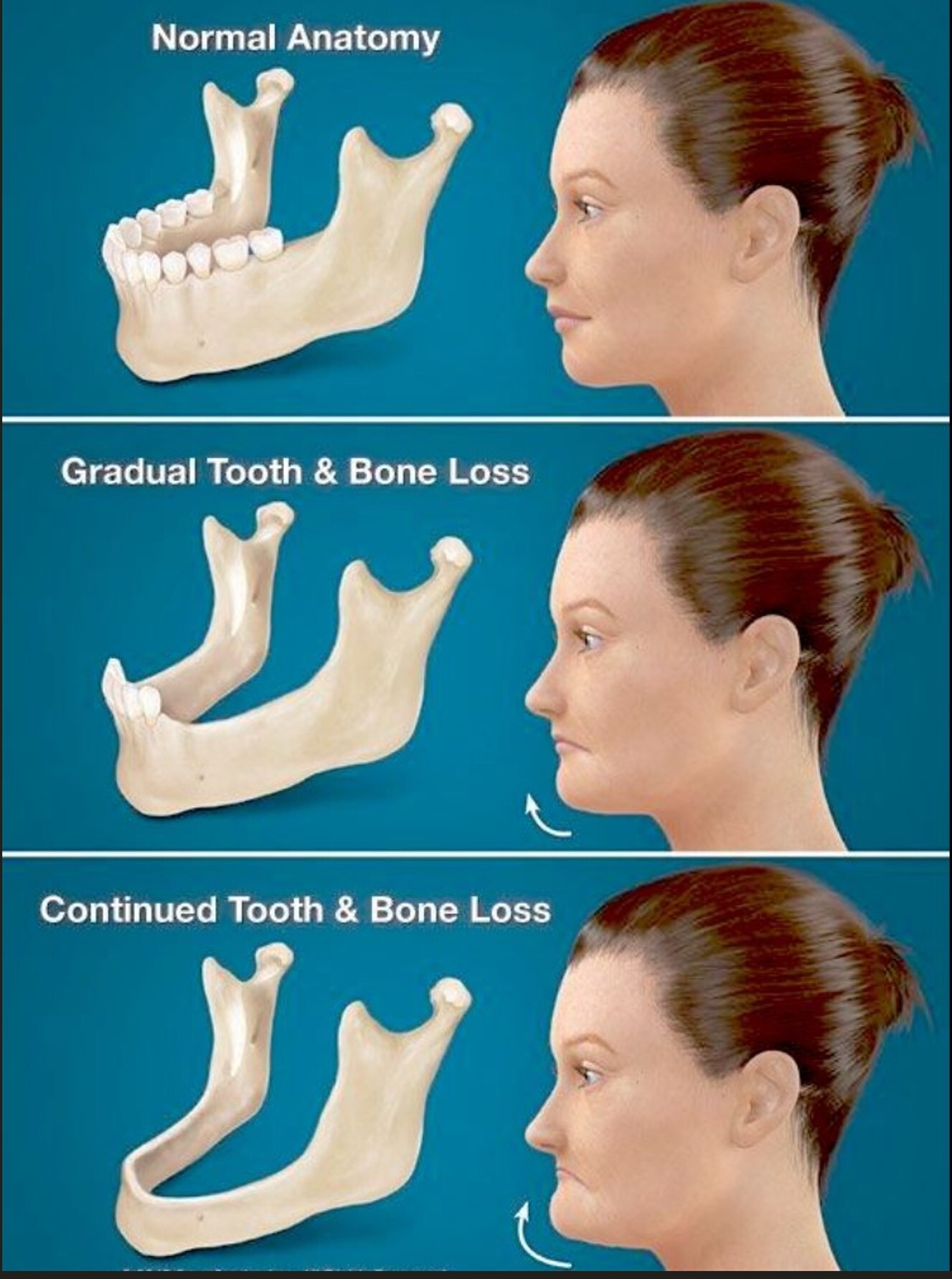
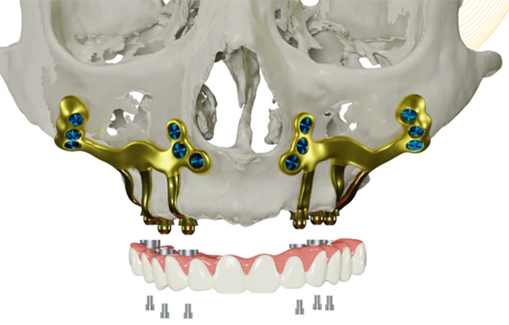
Subperiosteal implants are a unique type of dental implant used for patients with advanced bone loss who are not ideal candidates for traditional implants or extensive bone grafting. Unlike conventional implants that are placed into the jawbone, subperiosteal implants rest on top of the bone, beneath the gum tissue, and are secured as the tissue heals around them.
Thanks to today’s technology—especially 3D printing and cone beam CT scans—subperiosteal implants have seen a modern resurgence. We can now design and fabricate custom, patient-specific frameworks that precisely fit the contours of each individual’s jaw. This allows us to restore function and aesthetics even in cases where other implant options are not feasible.
At Potomac Periodontics and Implant Center, we use advanced imaging and digital planning to ensure the best fit, stability, and long-term success of subperiosteal implants. For patients who cannot undergo bone grafting but still want the benefits of fixed tooth replacement, this approach offers a reliable, minimally invasive alternative.
Zygomatic Implants
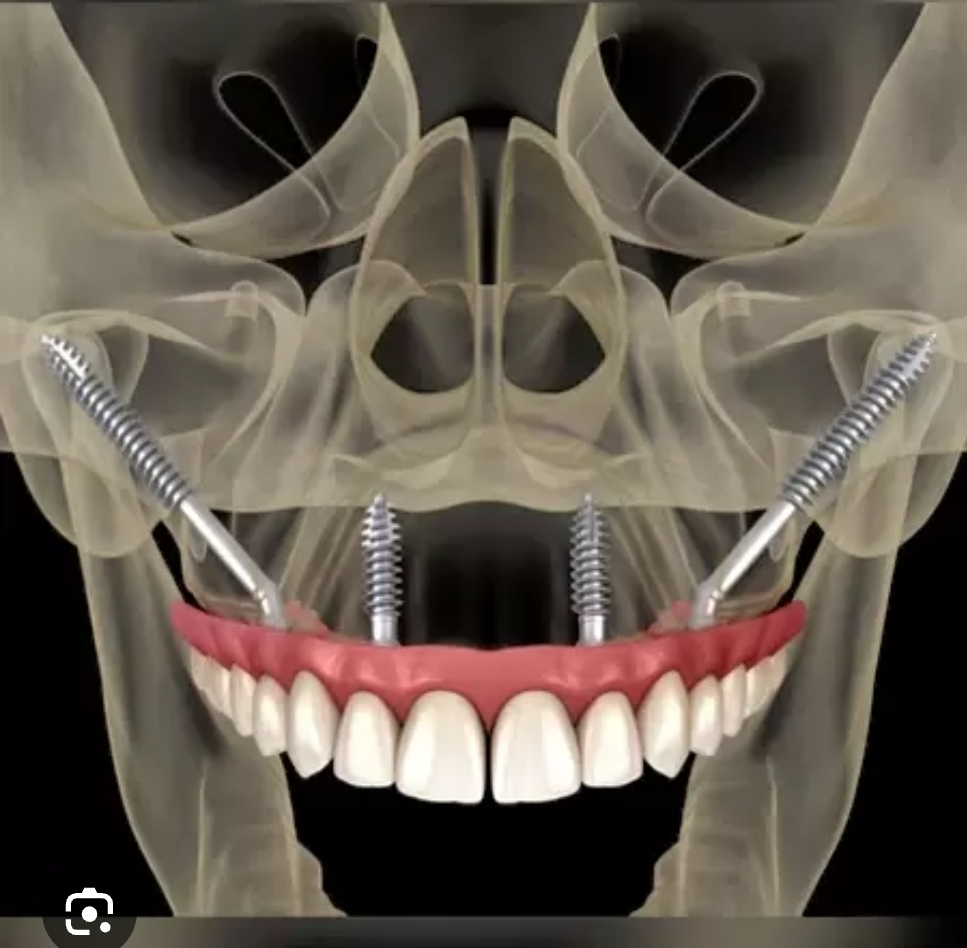
Zygomatic implants are a specialized type of dental implant used in cases where there is severe bone loss in the upper jaw, and traditional implants are not possible without major bone grafting. Instead of being anchored in the upper jawbone (maxilla), zygomatic implants are anchored into the zygomatic bone—also known as the cheekbone—which offers strong, stable support.
This approach is ideal for patients who:
- Have significant upper jaw bone loss due to gum disease, long-term tooth loss, or trauma
- Want to avoid or cannot undergo extensive bone grafting procedures
- Are looking for a faster path to fixed teeth without multiple surgeries
Zygomatic implants are longer than conventional implants and are carefully placed using advanced 3D imaging and digital planning to ensure precision and safety. In many cases, they can support a full arch prosthesis with immediate loading, meaning patients can receive a functional, natural-looking set of teeth shortly after surgery.
At Potomac Periodontics and Implant Center, we offer zygomatic implants as part of our advanced full-arch solutions—helping patients who have been told they’re not candidates for implants regain function, aesthetics, and confidence without delay.
F.A.Q.S
A periodontist is a dental specialist who focuses on the prevention, diagnosis, and treatment of gum disease,
bone loss, and other conditions affecting the supporting structures of the teeth. You may be referred to a
periodontist if you:
- Have bleeding or receding gums
- Experience loose teeth or bone loss
- Need dental implants
- Have a medical condition that complicates oral health (e.g., diabetes, osteoporosis)
- Are not responding to regular dental cleanings and care
Our specialized training allows us to perform advanced surgical and non-surgical procedures to preserve your natural teeth, improve oral health, and restore your smile.
Why The Future of Periodontics Is Here?
At Potomac Periodontics & Implant, we combine 3D printing, facial scanning, and artificial intelligence to create a fully customized and naturally beautiful smile—tailored precisely to your face and bone structure.