Dental Implants
A Natural, Long-Lasting Solution

Dental implants offer one of the most natural and durable solutions for replacing missing teeth—restoring both function and aesthetics without compromising neighboring teeth. Whether you’re missing one tooth or several due to trauma, decay, or gum disease, implants can help you chew, speak, and smile with confidence

Dental implants offer one of the most natural and durable solutions for replacing missing teeth—restoring both function and aesthetics without compromising neighboring teeth. Whether you’re missing one tooth or several due to trauma, decay, or gum disease, implants can help you chew, speak, and smile with confidence

At Potomac Periodontics and Implant Center, we use advanced 3D imaging and surgical guides to ensure ideal placement with precision and long-term success. A single dental implant can preserve gum tissue, prevent bone loss, and deliver a seamless, natural-looking result—restoring your smile with minimal disruption and maximum stability.

A simple white wavy line on a black background.

Dental implants are a highly effective, long-term solution for replacing missing teeth—designed to restore both function and aesthetics. The process begins with advanced diagnostics, including 3D CBCT imaging and digital planning, which allow us to assess bone anatomy and create a precise, customized surgical plan.

During the procedure, a titanium or zirconia implant post is carefully placed into the jawbone, serving as a replacement for the tooth root. Over the following weeks, the implant undergoes osseointegration, a natural process where the bone heals and fuses with the implant to create a strong, stable foundation.

Once healing is complete, a custom-made crownbridge, or denture is attached to the implant, completing the restoration with a result that looks, feels, and functions like a natural tooth. This step-by-step approach ensures predictability, durability, and exceptional outcomes tailored to each patient’s needs.

Infected Dental Implants

Dental implants are a highly successful and long-lasting solution for tooth replacement—but like natural teeth, they require healthy surrounding tissues to thrive. When implants begin to fail, it’s often due to inflammation, infection, or bone loss caused by peri-implantitis, a condition closely related to gum disease. At our practice, we utilize advanced diagnostics and therapies—including laser-assisted treatments and regenerative procedures—to gently disinfect, preserve bone, and restore gum health without the need for aggressive surgery. Our approach focuses on minimally invasive care, regeneration, and protecting both the function and aesthetics of your smile.

A simple white wavy line on a black background.
Missing all Upper or Lower teeth

For patients missing most or all teeth, full arch dental implants offer a stable, life-changing alternative to traditional dentures. This advanced treatment uses a series of strategically placed implants to support a full set of prosthetic teeth—restoring strength, function, and aesthetics with unmatched precision.

We offer multiple full-arch solutions tailored to each patient’s anatomy, goals, and lifestyle. This includes the All-on-X approach, where four to six implants are used to support a fixed, non-removable prosthesis. All-on-X often allows for immediate loading, meaning patients can leave surgery with a secure, natural-looking smile the same day. It’s an ideal option for those seeking maximum stability without the bulk or movement of traditional dentures.

For patients who prefer or require a removable solution, we also provide implant-supported overdentures. These are stabilized by two or more implants, dramatically improving retention, comfort, and confidence compared to conventional dentures—while also preserving bone and supporting long-term gum health.

At Potomac Periodontics and Implant Center, we use digital planning3D imaging, and minimally invasive techniques to ensure ideal placement, comfort, and predictable outcomes. Our full arch solutions prioritize bone regeneration, implant longevity, and delivering results that both look and feel natural.

Sinus Lift

At Potomac Periodontics and Implant Center, we perform sinus lift procedures to create the bone volume necessary for successful dental implant placement in the upper jaw. There are two primary techniques used: the lateral window approach and the crestal (osteotome) approach. While we are experienced in both, our preferred method is the lateral window technique due to its precision, visibility, and versatility.

The lateral window approach allows for direct access and visualization of the sinus membrane, which is especially beneficial in cases where bone height is severely limited. This technique enables careful elevation of the membrane and the placement of a larger volume of bone graft material, making it ideal for more extensive reconstructions or multiple implant sites. It also accommodates the use of various grafting materials and membranes to support guided bone regeneration and long-term implant success.

In certain cases, we may even perform the sinus lift and implant placement simultaneously, helping streamline treatment without compromising outcomes. The lateral approach gives us greater control in complex cases and contributes to more predictable, stable, and lasting results.
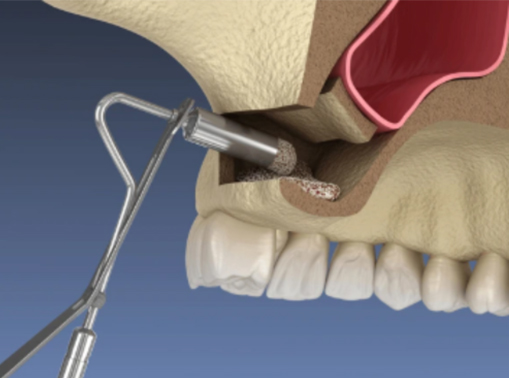
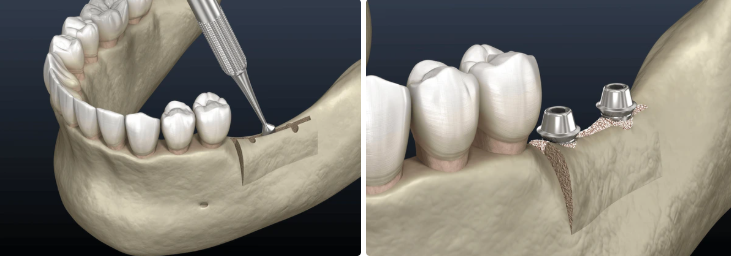
Dental implant drilling into jawbone near teeth.
Dental implant procedure steps with a surgical guide and final placement.
A simple white wavy line on a black background.
Ridge Augmentation

Making Implants Possible with Ridge Augmentation

Many patients are told they are not candidates for dental implants due to significant bone loss in the jaw. However, at Potomac Periodontics and Implant Center, we specialize in advanced procedures that can rebuild lost bone and make implant treatment possible—even in cases once considered too complex.

Through ridge augmentation, we restore the natural contours of the jaw using precise bone grafting techniques and biologic enhancements like platelet-rich fibrin (PRF) therapy. These regenerative approaches stimulate healing and help reestablish the bone volume needed to support a secure, long-lasting implant.

By combining surgical expertise with cutting-edge technology, we can give patients a second chance at achieving a healthy, functional, and aesthetically restored smile—even after years of bone deterioration.

F.A.Q.S

 A dental implant is a titanium post surgically placed into the jawbone to serve as a stable foundation for a replacement tooth. It mimics the root of a natural tooth, helping preserve bone and supporting healthy gum tissue.

 The timeline varies depending on individual healing and treatment complexity. Generally, it involves placing the implant, allowing time for bone regeneration and integration (osseointegration), and then attaching the final restoration. This process can take several months, but we use advanced imaging and techniques at Potomac Periodontics and Implant Center to optimize treatment time and outcomes.

Most patients experience minimal discomfort, as we prioritize gentle, minimally invasive techniques and effective sedation options. Post-operative soreness is typically manageable with over-the-counter pain relief.

 While dental implants have a high success rate, failure can occur due to infection, poor healing, or gum disease affecting the surrounding tissues. Early diagnosis and treatment—including advanced therapies like laser-assisted care—help prevent complications and promote regeneration.

Maintaining excellent oral hygiene is essential. This includes regular brushing, flossing, and dental visits to monitor gum health and implant stability. Our team will provide personalized instructions to ensure long-term success.

Why The Future of Periodontics Is Here?

At Potomac Periodontics & Implant, we combine 3D printing, facial scanning, and artificial intelligence to create a fully customized and naturally beautiful smile—tailored precisely to your face and bone structure.
REQUEST AN APPOINTMENT

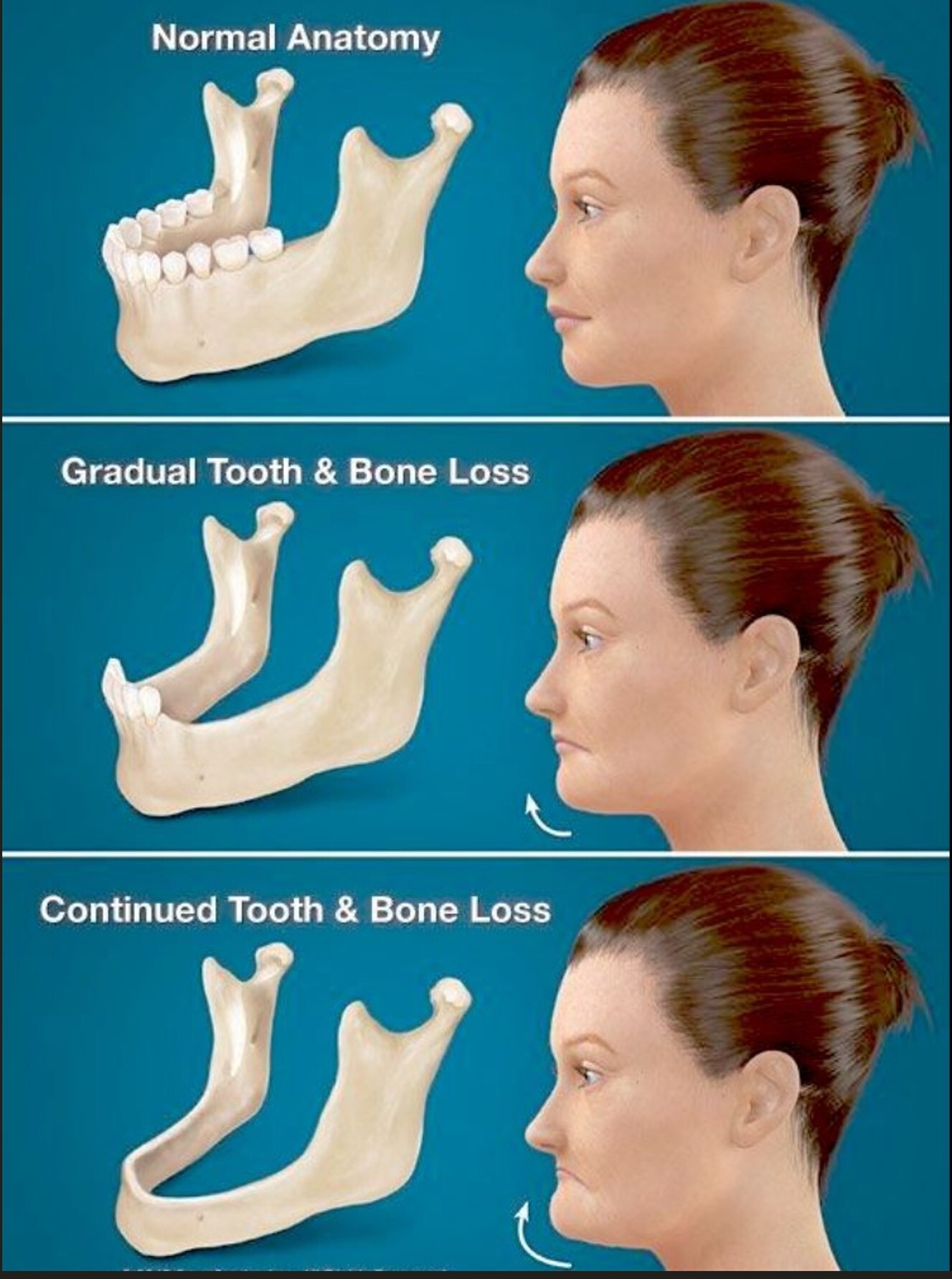
Illustration showing effects of gradual and continued tooth and bone loss on facial profile.

Jaw bone loss, also known as resorption, is a natural process that occurs after a tooth is extracted. When a tooth is removed, the bone that supported it no longer receives stimulation from chewing and biting, causing the body to resorb or break down the bone. This process primarily occurs within the first 18 months after extraction and continues gradually throughout life.

Why does it happen?

Natural Bone Remodeling:

The jawbone, like all bones, is constantly being remodeled by the body. It adapts to the forces placed upon it. When a tooth is extracted, the bone in that area no longer receives the necessary stimulation from the tooth root, leading to resorption.

Loss of Support:

The alveolar bone, which anchors the teeth, begins to deteriorate when a tooth is missing, as it’s no longer needed to support the tooth.

What are the consequences?

Changes in Jaw Shape:

Over time, the jawbone can shrink and change shape, potentially affecting facial appearance, especially around the mouth.

Shifting Teeth:

Adjacent teeth may shift into the space left by the missing tooth, leading to misalignment and potential bite problems.

Bone Loss for Implants:

If a patient later desires a dental implant, the amount of bone loss can affect the success of the implant procedure, potentially requiring bone grafting.

How can bone loss be addressed?

Dental Implants:

Dental implants are small titanium posts inserted into the jawbone, acting as artificial tooth roots. The bone fuses with the implant, providing a stable base for a replacement tooth and helping to prevent further bone loss.

Bone Grafting:

If significant bone loss has already occurred, bone grafting may be necessary to rebuild the jawbone before implant placement.

Other Tooth Replacement Options:

While bridges and dentures can restore the appearance of a smile, they don’t prevent bone loss. Implants are generally recommended to preserve the jawbone.

Preventing bone loss:

Good Oral Hygiene: Maintaining good oral hygiene and seeking treatment for periodontal disease can help prevent bone loss.

Healthy Diet: A diet rich in calcium and vitamin D can support bone health.

Quit Smoking: Smoking can impair blood circulation and slow down healing, potentially accelerating bone loss

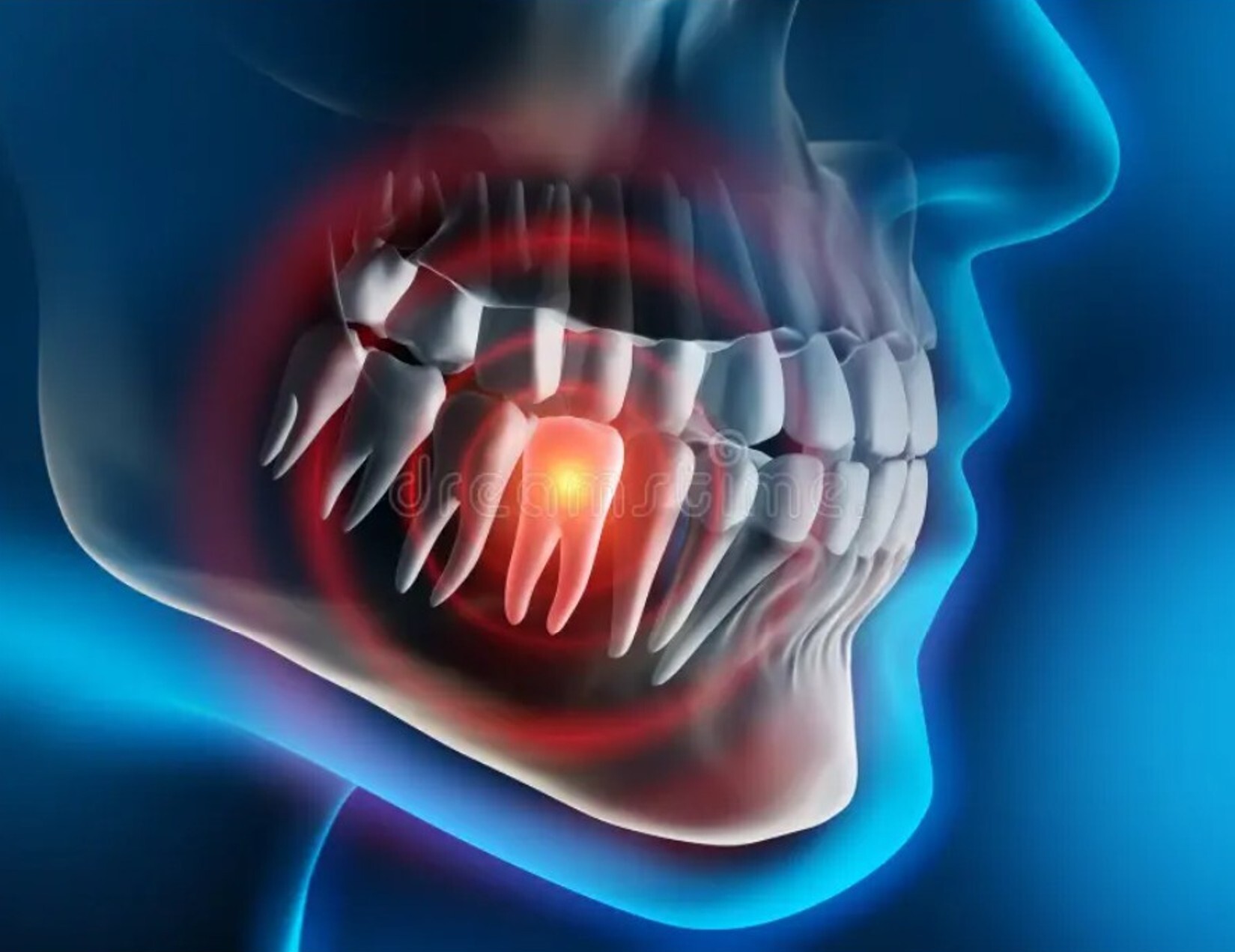
3D illustration of a toothache in the lower jaw.

Tooth sensitivity,

also known as dentin hypersensitivity, is a sharp, short pain that arises from exposed dentin, the inner layer of the tooth, due to various stimuli. This sensitivity is triggered by things like hot, cold, sweet, or acidic foods and drinks, and even by brushing or inhaling cold air. It’s a common problem, affecting up to 57% of the population, according to Colgate.

Causes of Tooth Sensitivity:

Enamel Erosion:

The hard enamel layer protects the softer dentin beneath. When enamel wears away, due to factors like over-brushing, acidic foods and drinks, or teeth grinding, it exposes the dentin.

Gum Recession:

Receding gums can expose the tooth’s root, which is covered by cementum, a substance that can also wear away, leading to dentin exposure.

Other Dental Issues:

Cavities, cracked or chipped teeth, worn fillings, and gum disease can also contribute to sensitivity by exposing the dentin or irritating the nerve.

Teeth Whitening:

.

Some teeth whitening treatments can temporarily increase sensitivity due to the chemicals involved.

Symptoms:

Sharp, shooting pain triggered by hot, cold, sweet, or acidic substances.

Pain that may be mild or severe and can last from a few seconds to several hours.

Sensitivity to touch, like brushing.

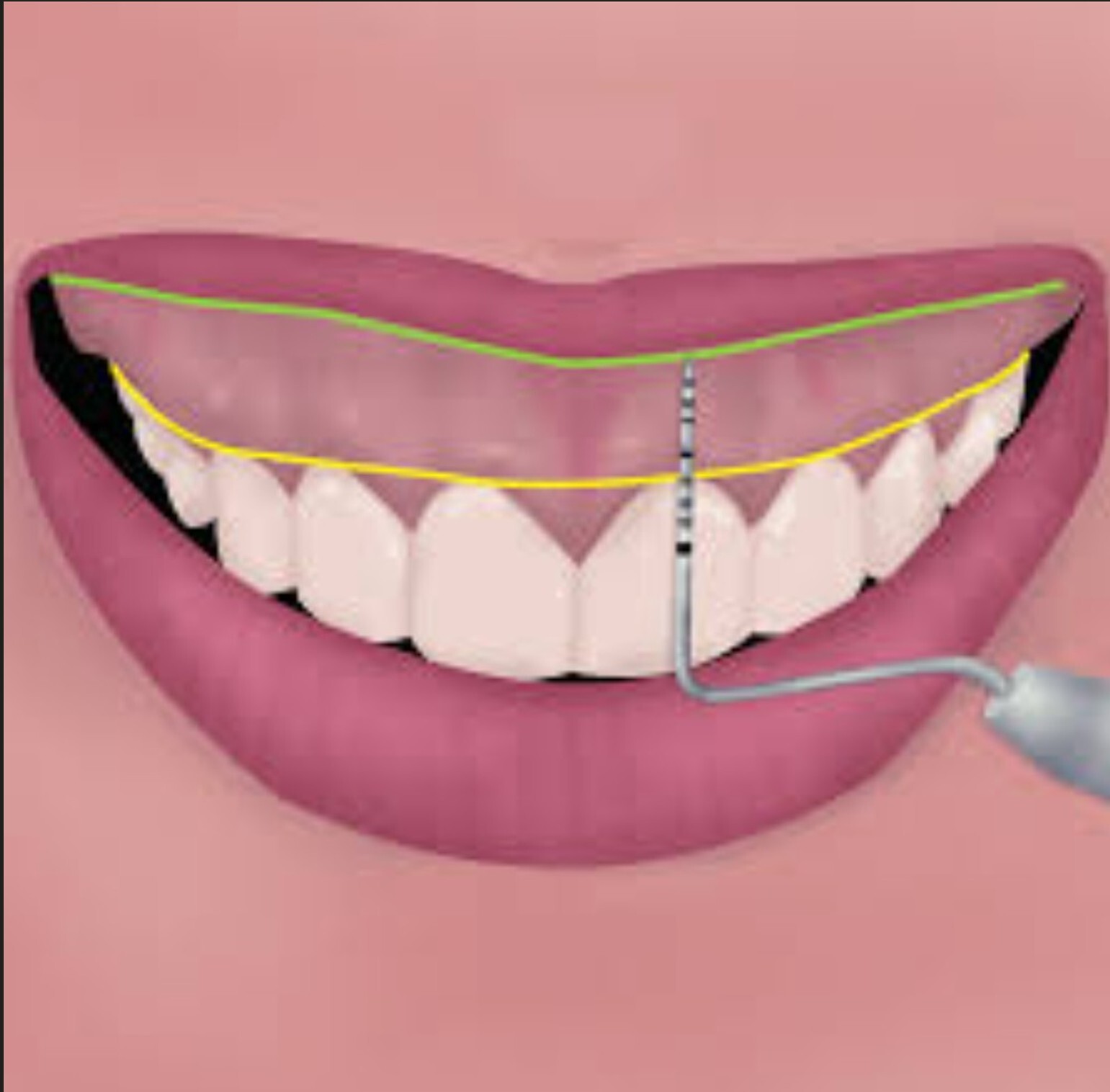
Digital dental scan showing teeth alignment and measurements.

A “gummy smile”

refers to a smile where a significant amount of gum tissue is visible above the upper teeth, often when smiling. This is also known as excessive gingival display. While not a medical issue, many find it aesthetically unappealing, and it can lead to self-consciousness about smiling. Fortunately, various treatments are available to correct a gummy smile.

Causes of Gummy Smiles:

A gummy smile can arise from several factors, often in combination:

Excessive gum tissue:

The gums may be proportionally larger than the teeth, covering more of the tooth surface.

Short upper lip:

A short upper lip may rise too high when smiling, exposing more gum.

Abnormal tooth eruption or jaw development:

In some cases, issues with how the teeth and jaw develop can lead to a gummy smile.

Muscle overactivity:

The muscles that elevate the upper lip may be overactive, pulling the lip too high when smiling.

Skeletal issues:

Conditions like skeletal canting (uneven jaw alignment) can contribute to a gummy smile.

Treatments for Gummy Smiles:

Several treatment options exist, depending on the cause:

Lip Repositioning:

A surgical procedure to reposition the upper lip, reducing the amount of gum shown.

Gingivectomy/Crown Lengthening:

Surgical removal of excess gum tissue to expose more of the tooth surface. This can be done with a scalpel or a laser.

Botox Injections:

Botox can relax the muscles that elevate the upper lip, reducing gum exposure.

Fillers:Injections of dermal fillers can add volume to the lips and change the way they drape over the teeth, potentially reducing the appearance of a gummy smile

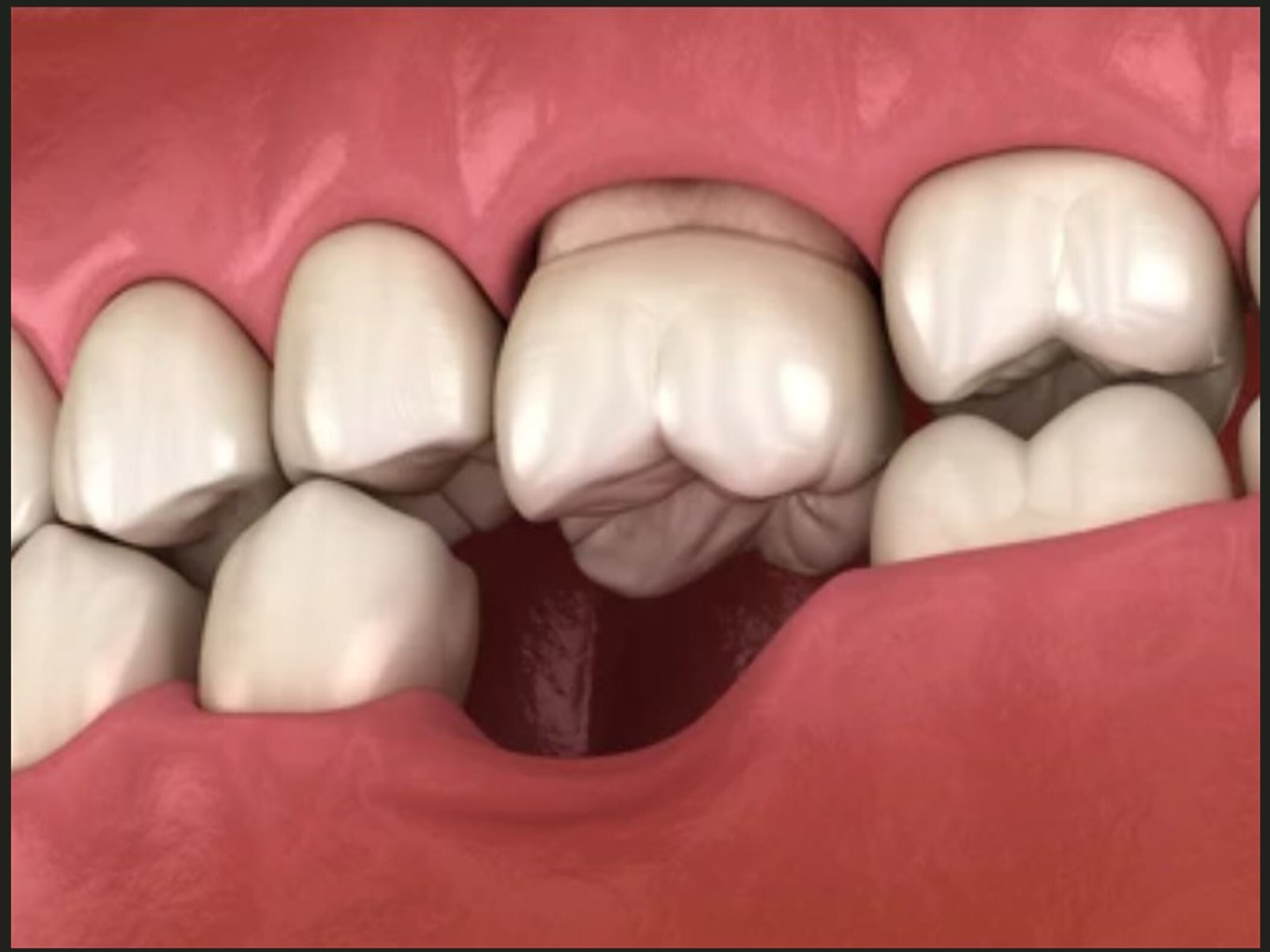
3D illustration showing a missing molar tooth in gums.

Tooth loss,

 the undesirable outcome of losing one or more teeth, is primarily caused by gum disease, tooth decay, or trauma. While it might not be life-threatening, tooth loss can significantly impact quality of life, affecting eating, nutrition, and potentially contributing to further oral health problems. Fortunately, tooth loss is largely preventable with good oral hygiene, regular dental checkups, and addressing risk factors.

Causes of Tooth Loss:

Gum Disease (Periodontal Disease): This is the most common cause of tooth loss, affecting the gums and supporting structures of the teeth.

Tooth Decay (Cavities): Untreated cavities can damage teeth to the point of needing extraction.

Trauma or Injury: Accidents, sports injuries, or other physical impacts can cause tooth loss.

Poor Oral Hygiene: Inadequate brushing and flossing allow bacteria to thrive, leading to gum disease and tooth decay.

Genetic Factors: Some individuals may be predisposed to certain oral health issues that increase the risk of tooth loss.

Smoking and Tobacco Use: Tobacco products can significantly damage gums and teeth, increasing the likelihood of tooth loss.

Dry Mouth: Reduced saliva flow can make teeth more vulnerable to decay.

Certain Medications: Some medications can cause dry mouth or other oral health issues.

Aging: As people age, they may experience a higher risk of tooth loss due to a combination of factors.

Preventing Tooth Loss:

Brush and Floss Regularly: Thoroughly clean your teeth twice a day with fluoride toothpaste and floss daily to remove plaque and food particles.

Limit Sugary Foods and Drinks: Reduce your intake of sugary items that contribute to tooth decay.

Regular Dental Checkups: Visit your dentist for checkups and cleanings at least twice a year, or as recommended.

Consider Dental Sealants: Dental sealants can protect teeth from cavities.

Fluoride Treatment: Fluoride strengthens teeth and can help prevent decay.

Protect Your Teeth: Wear a mouthguard during sports or activities that could cause injury.

Address Risk Factors: If you have risk factors like dry mouth or use certain medications, discuss them with your dentist for appropriate management

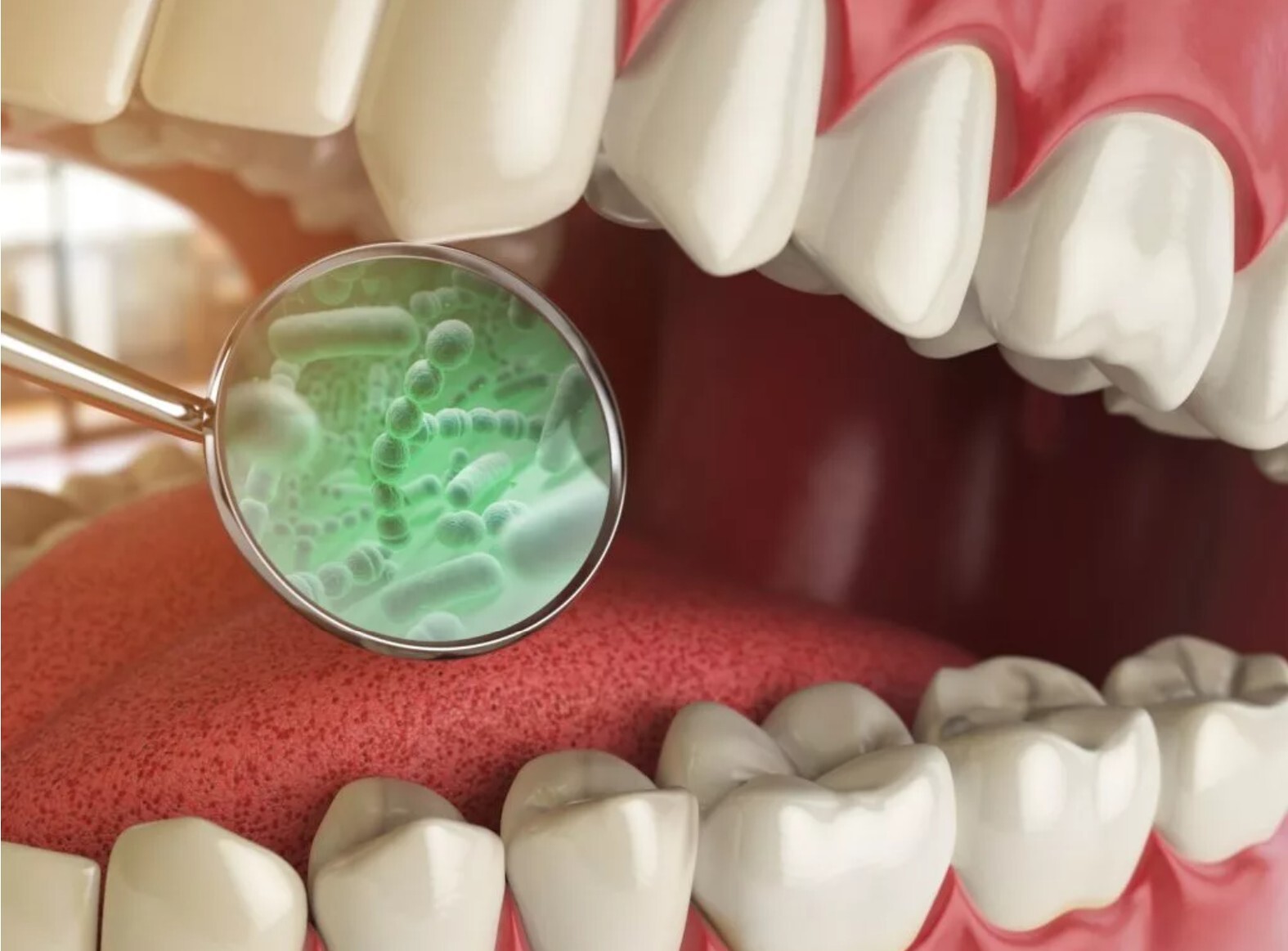
Dental mirror showing bacteria on teeth inside a mouth model.

Bad breath,

also known as halitosis, can be caused by a variety of factors, including poor oral hygiene, certain foods and drinks, dry mouth, smoking, and even underlying health conditions. While most cases of bad breath are related to oral hygiene, persistent bad breath that doesn’t improve with regular brushing and flossing may indicate a more serious issue.

Common Causes of Bad Breath:

Poor Oral Hygiene:

This is the most common cause, where bacteria build up in the mouth due to inadequate brushing and flossing, leading to plaque and food debris accumulation.

Food and Drinks:

Onions, garlic, coffee, and other strong-smelling foods can contribute to bad breath, as their odors can be absorbed into the bloodstream and released through the lungs.

Dry Mouth (Xerostomia):

Reduced saliva flow can allow bacteria to thrive and cause bad breath. Dry mouth can be caused by medications, alcohol consumption, and certain medical conditions.

Smoking:

Smoking dries out the mouth and can cause a build-up of bacteria on the tongue and teeth, leading to bad breath.

Underlying Medical Conditions:

In some cases, bad breath can be a symptom of more serious health issues like respiratory infections, diabetes, liver or kidney problems, or even certain cancers.

When to See a Periodontist:

If you’ve tried improving your oral hygiene and your bad breath persists, it’s best to schedule an appointment with your dentist. They can properly assess your situation, identify the cause, and recommend appropriate treatment.

Signs that it’s time to see a dentist for bad breath:

Persistent bad breath that doesn’t improve with regular oral hygiene practices.

Bleeding or swollen gums.

A metallic or sour taste in your mouth.

Dry mouth symptoms.

Tooth pain or sensitivity.

A persistent bad taste or smell in your mouth.

3D illustration of severely crowded and misaligned teeth.

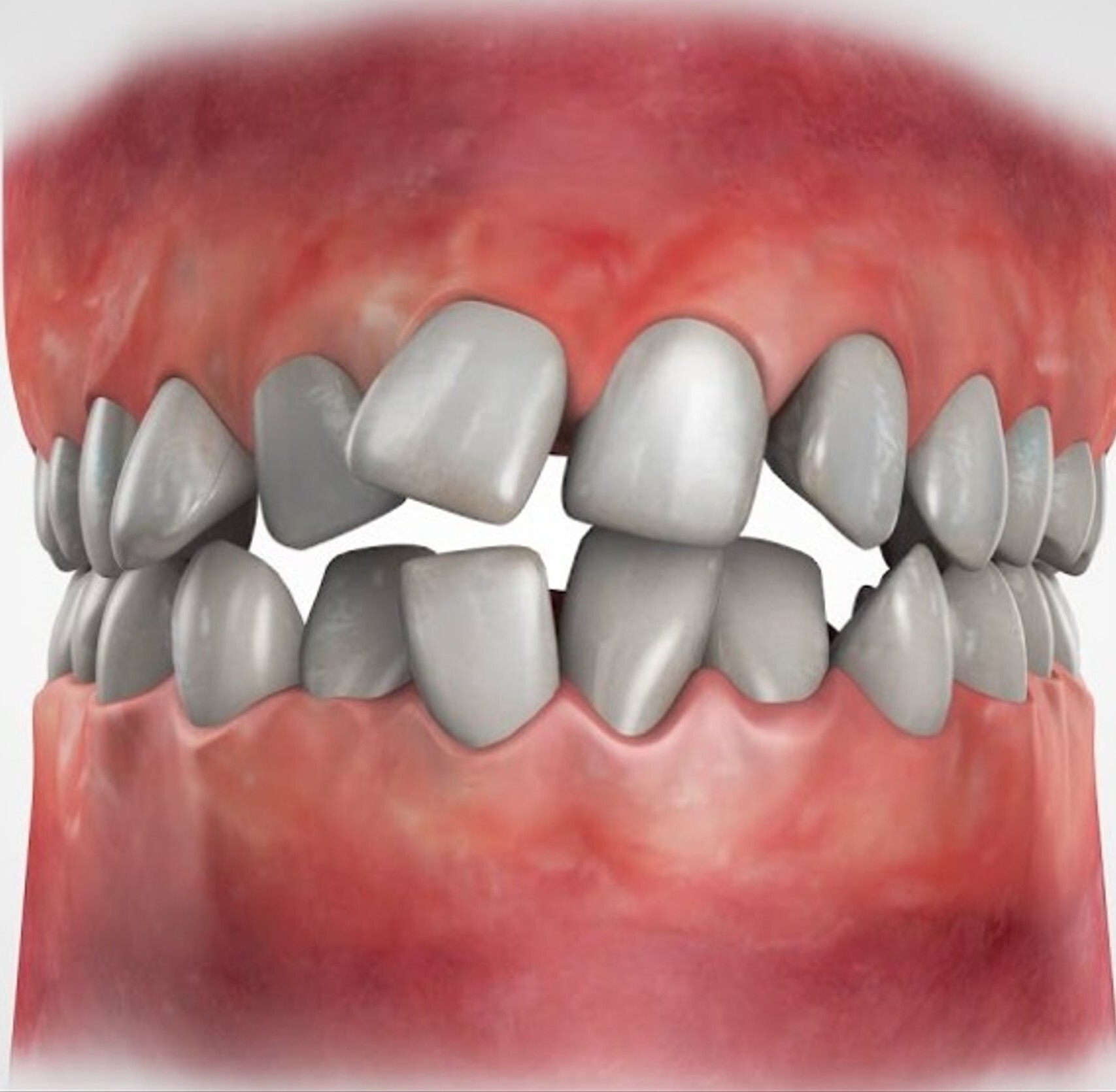
Loose or Shifting Teeth in adults are usually a sign of an underlying problem, most commonly gum disease or bone loss. It’s crucial to consult a dentist promptly if you notice your teeth are becoming loose, as this can indicate a more serious issue that could lead to tooth loss if left untreated.

Causes of Loose or Shifting Teeth:

Gum Disease (Periodontal Disease):

This is a common culprit, where infection weakens the tissues and bone supporting the teeth, causing them to loosen.

Bone Loss:

Reduced bone density, often associated with aging, can affect the jawbone’s ability to hold teeth firmly in place.

Trauma:

Injuries to the mouth or jaw can cause teeth to loosen.

Aging:

As we age, teeth naturally experience wear and tear, and gums may recede, making teeth more vulnerable to movement.

Teeth Grinding (Bruxism):

Habitual grinding can put excessive pressure on teeth, causing them to loosen over time.

Orthodontic Treatment (or lack thereof):

If retainers are not worn after orthodontic treatment, teeth can shift back to their original positions, according to Balanced Dental Studio.

When to Seek Professional Help:

Any noticeable looseness: Even a slight movement of a tooth should be checked by a dentist.

Pain or sensitivity: If you experience pain or increased sensitivity in a tooth that is loose, it’s important to see a dentist.

Changes in bite: If your bite feels different due to shifting teeth, it’s time to consult a dentist, according to the American Dental Association.

Treatment Options:

Deep Cleanings (Scaling and Root Planing): To remove plaque and tartar buildup associated with gum disease.

Medications or Mouth Rinses: To combat bacterial infection and promote healing.

Gum Surgery: To address severe gum disease and bone loss.

Bone Grafts: To restore bone volume and support for teeth.

Splinting or Bonding: To stabilize loose teeth.

Extraction and Replacement: If a tooth is severely damaged or cannot be saved, extraction and replacement with a dental implant or bridge may be necessary.

Close-up of healthy lower front teeth and gums.

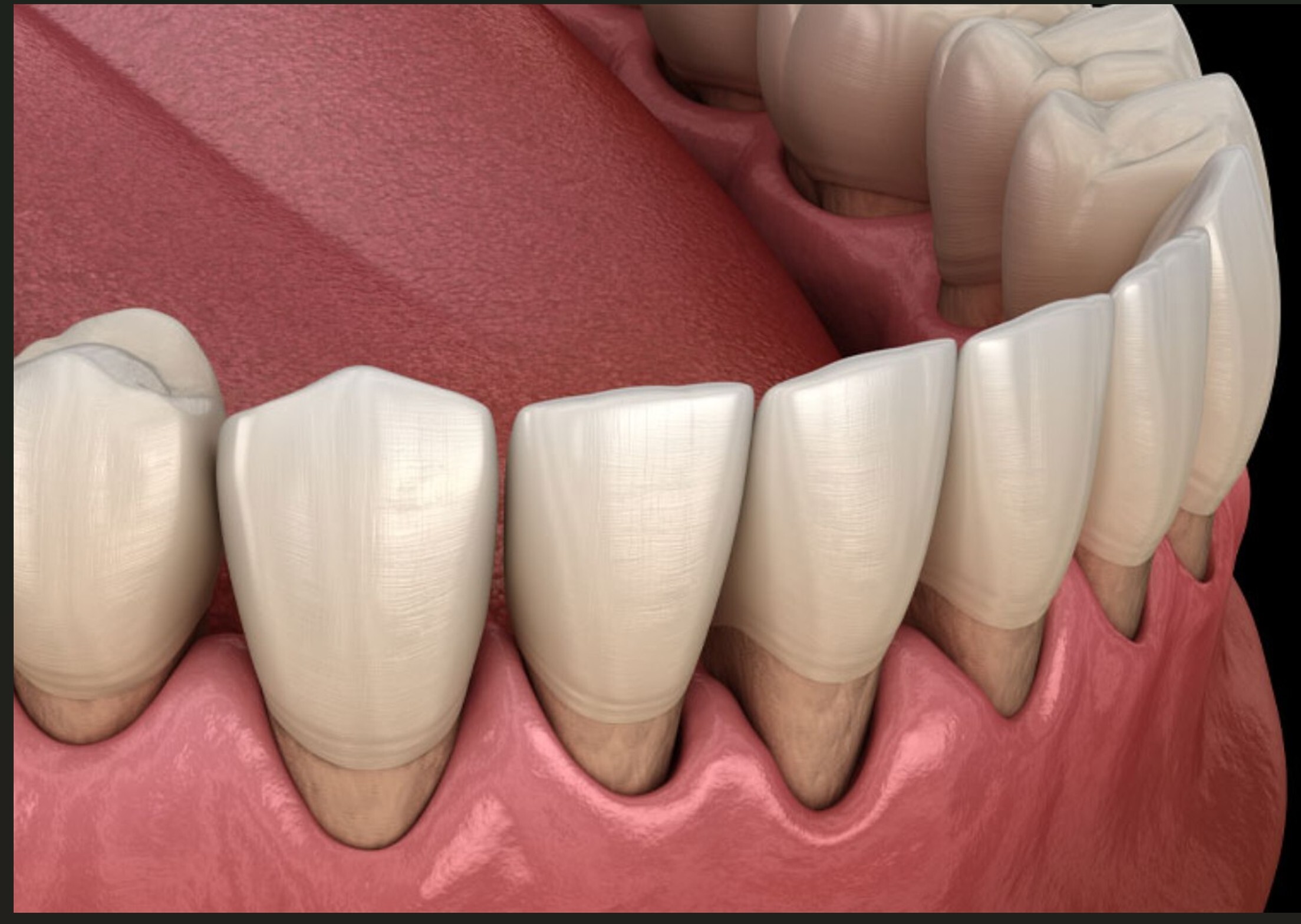
Gum Recission also known as gingival recession, occurs when the gum tissue pulls away or wears away from the teeth, exposing the tooth roots. It’s a common dental issue that can range from mild to severe, affecting individuals of all ages, though it’s more prevalent in adults over 40.

Causes

Periodontal Disease: This bacterial infection of the gums is the leading cause of gum recession, destroying gum tissue and the supporting bone structure.

Aggressive Brushing: Brushing too hard or using a hard-bristled toothbrush can damage and wear away gum tissue over time.

Genetics: Some individuals are genetically predisposed to thinner gum tissue, increasing their susceptibility to recession.

Poor Oral Hygiene: Inadequate brushing and flossing lead to plaque and tartar buildup, which irritate the gums and can contribute to recession.

Tobacco Use: Smoking and chewing tobacco are linked to increased plaque buildup and irritation, which can harm gum tissue.

Teeth Grinding (Bruxism): Clenching and grinding teeth can place excessive pressure on the gums, leading to recession.

Hormonal Changes: Fluctuations in hormones, especially in women during puberty, pregnancy, and menopause, can make gums more sensitive and prone to recession.

Misaligned Teeth: Teeth that are crooked, tipped, or rotated can create uneven pressure points and contribute to gum recession.

Oral Piercings: Lip or tongue piercings can irritate the gums and potentially cause recession.

Symptoms

Tooth Sensitivity: Exposed tooth roots are less protected than the tooth enamel, making them more sensitive to hot, cold, sweet, or acidic foods and drinks.

Visibly Longer Teeth: As gums recede, more of the tooth structure becomes visible, making the teeth appear longer than usual.

Visible Tooth Roots: In more severe cases, the tooth roots may become plainly visible.

Notching at the Gumline: A groove or notch may form at the gumline where the gum tissue has receded.

Changes in Gum Appearance: Gums may appear red, swollen, or receding from the teeth.

Pain or Discomfort: Some people experience pain or discomfort near the gum line.

Loose Teeth: In advanced cases with significant bone loss, teeth may become loose.

Close-up of a tooth with inflamed gum tissue and plaque buildup.

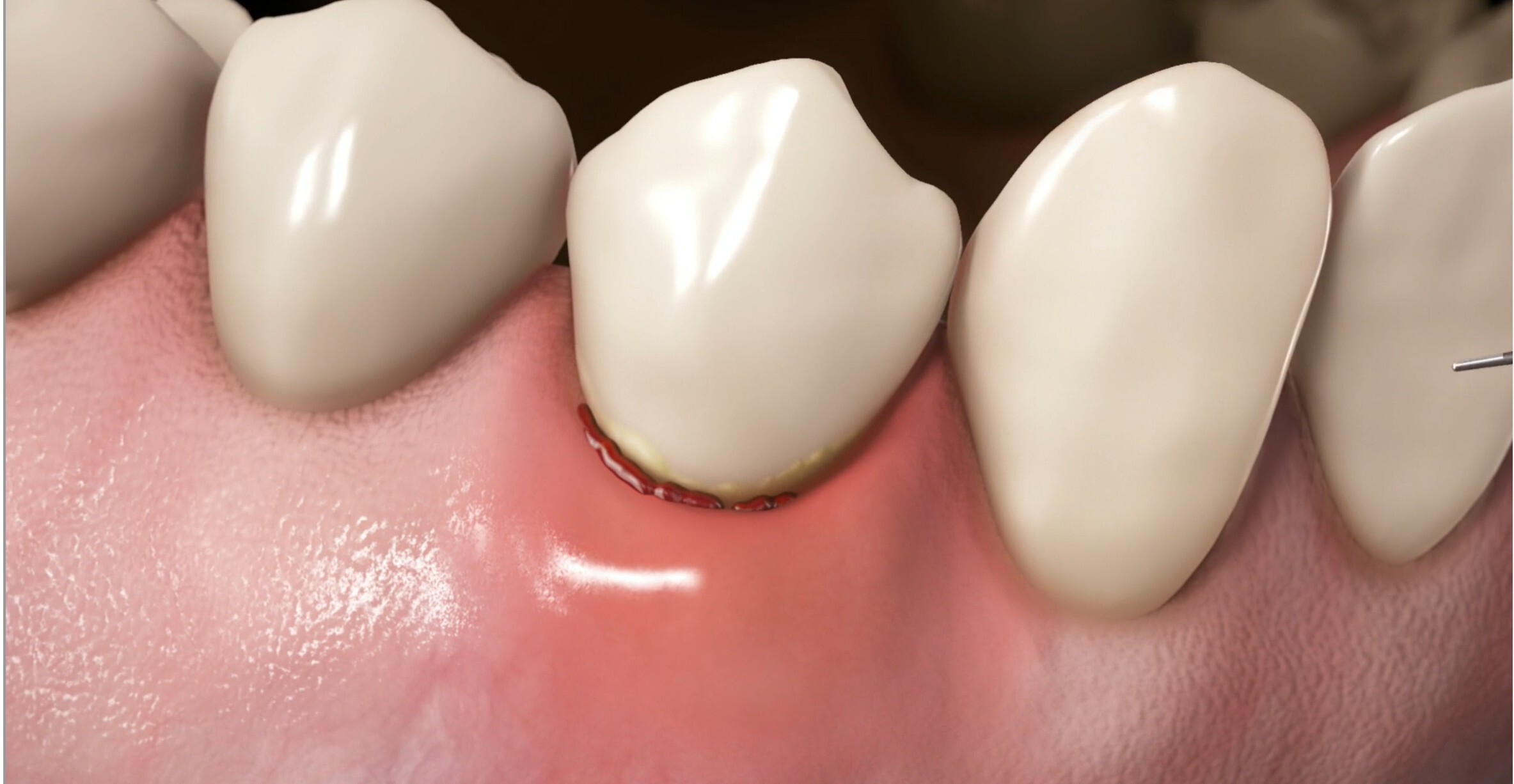
Bleeding Gums can be a sign of gingivitis, the early stage of gum disease, or other underlying health issues. While often caused by plaque buildup, it can also indicate more serious conditions like certain blood disorders or vitamin deficiencies. It’s important to address bleeding gums promptly to prevent further complications.

Common Causes of Bleeding Gums:

Gingivitis:

Inflammation of the gums due to plaque buildup, often reversible with improved oral hygiene.

Periodontitis:

An advanced stage of gum disease where the infection spreads below the gum line, potentially leading to bone loss.

Poor Oral Hygiene:

Inadequate brushing and flossing allow plaque to accumulate, irritating the gums.

Hormonal Changes:

Fluctuations during puberty, pregnancy, or menopause can make gums more sensitive.

Certain Medications:

Blood thinners can increase the risk of bleeding.

Underlying Medical Conditions:

Bleeding disorders, vitamin deficiencies (like C or K), or even some cancers (like leukemia) can cause bleeding gums.

Trauma or Injury:

What to Do:

Improve Oral Hygiene: Brush twice a day with a soft-bristled toothbrush and floss daily.

Consider Saltwater Rinses: Rinsing with warm salt water can help soothe and cleanse the gums.

See a Dentist: If bleeding persists or is accompanied by other symptoms (like swelling, redness, or pain), schedule a dental appointment.

Address Underlying Conditions: If a medical condition is identified as the cause, work with your healthcare provider to manage it.

Important Considerations:

Bleeding gums are not normal and should be addressed promptly.

Early intervention can prevent the progression of gum disease.

If you have any concerns about bleeding gums or suspect an underlying medical condition, seek professional advice.