F.A.Q.S
Dental Implants
A dental implant is a titanium post surgically placed into the jawbone to serve as a stable foundation for a replacement tooth. It mimics the root of a natural tooth, helping preserve bone and supporting healthy gum tissue.
The timeline varies depending on individual healing and treatment complexity. Generally, it involves placing the implant, allowing time for bone regeneration and integration (osseointegration), and then attaching the final restoration. This process can take several months, but we use advanced imaging and techniques at Potomac Periodontics and Implant Center to optimize treatment time and outcomes.
Most patients experience minimal discomfort, as we prioritize gentle, minimally invasive techniques and effective sedation options. Post-operative soreness is typically manageable with over-the-counter pain relief.
While dental implants have a high success rate, failure can occur due to infection, poor healing, or gum disease affecting the surrounding tissues. Early diagnosis and treatment—including advanced therapies like laser-assisted care—help prevent complications and promote regeneration.
Maintaining excellent oral hygiene is essential. This includes regular brushing, flossing, and dental visits to monitor gum health and implant stability. Our team will provide personalized instructions to ensure long-term success.
Periodontal
A periodontist is a dental specialist who focuses on the prevention, diagnosis, and treatment of gum disease,
bone loss, and other conditions affecting the supporting structures of the teeth. You may be referred to a
periodontist if you:
- Have bleeding or receding gums
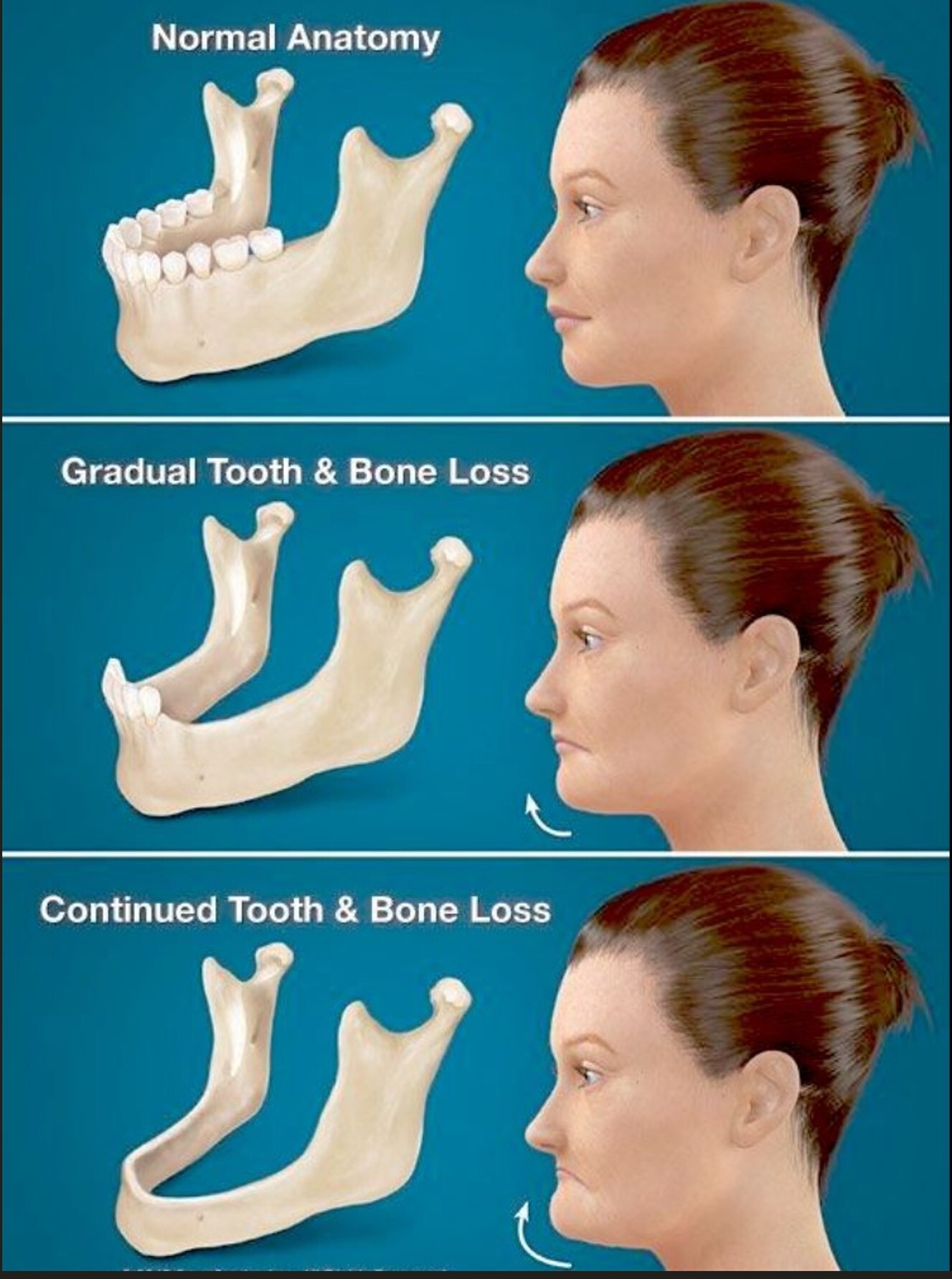
- Experience loose teeth or bone loss
- Need dental implants
- Have a medical condition that complicates oral health (e.g., diabetes, osteoporosis)
- Are not responding to regular dental cleanings and care
Our specialized training allows us to perform advanced surgical and non-surgical procedures to preserve your natural teeth, improve oral health, and restore your smile.
Gum Surgery
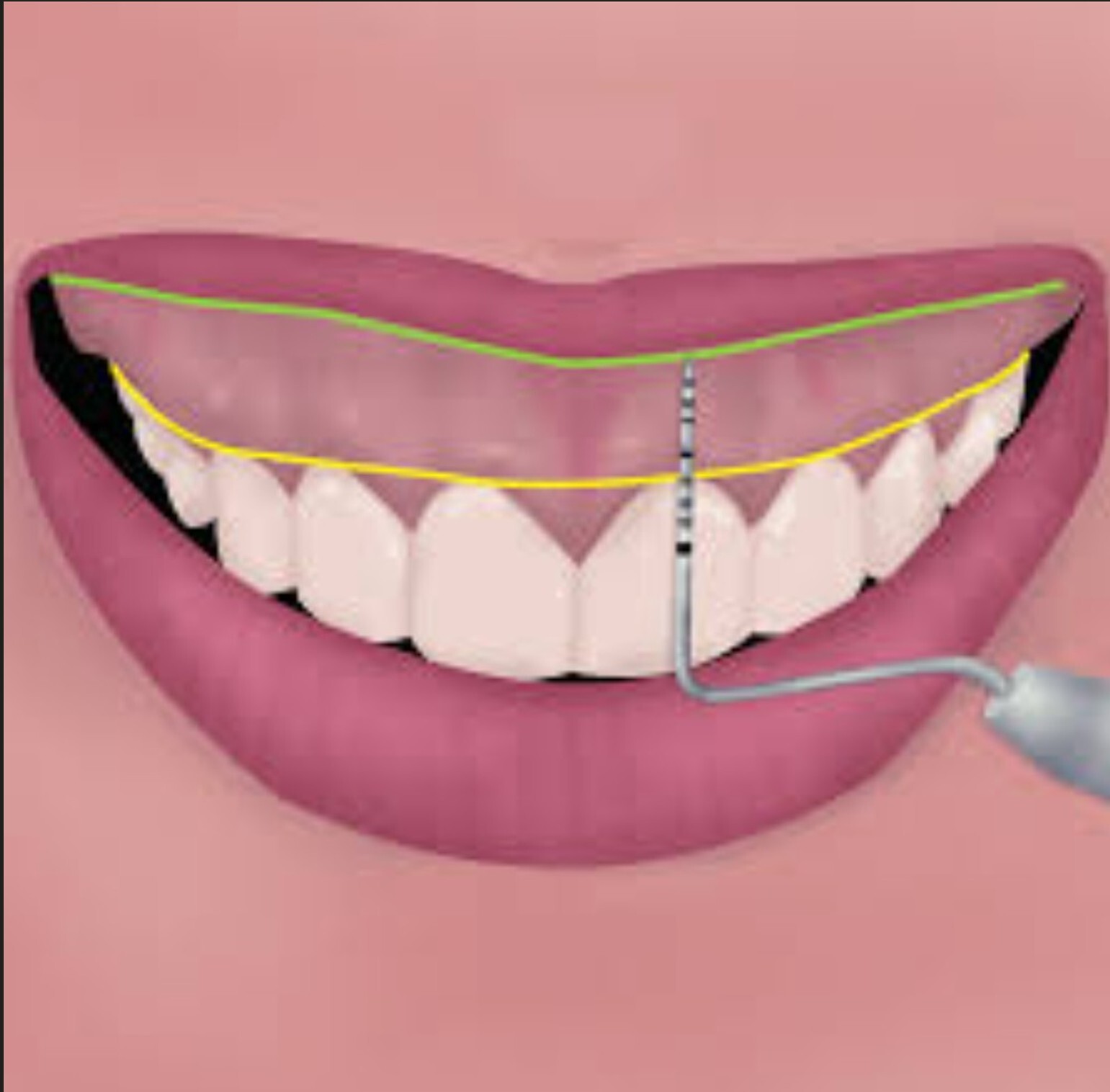
Gum surgery is used to access and clean deep periodontal pockets, reshape bone, and reduce inflammation.when deep cleaning alone isn't sufficient.
Most patients recover within 7–14 days. Initial discomfort lasts 2–3 days, with full gum healing occurring over several weeks.
Deep Cleaning (Scaling and Root Planing)
This treatment removes plaque and tartar beneath the gums and smooths root surfaces to allow the gums to heal.
Mild sensitivity may last for a few days. Gums typically begin to improve within 1–2 weeks. Maintenance cleanings every 3–4 months are essential after treatment.
Sinus Lift
A sinus lift adds bone to the upper jaw when there isn't enough height for dental implants. It's often needed after long-term tooth loss or bone shrinkage.
Bone Grafting
To rebuild bone that’s been lost due to gum disease, trauma, or tooth loss, and to prepare for future implants or support adjacent teeth.
Tooth Extraction
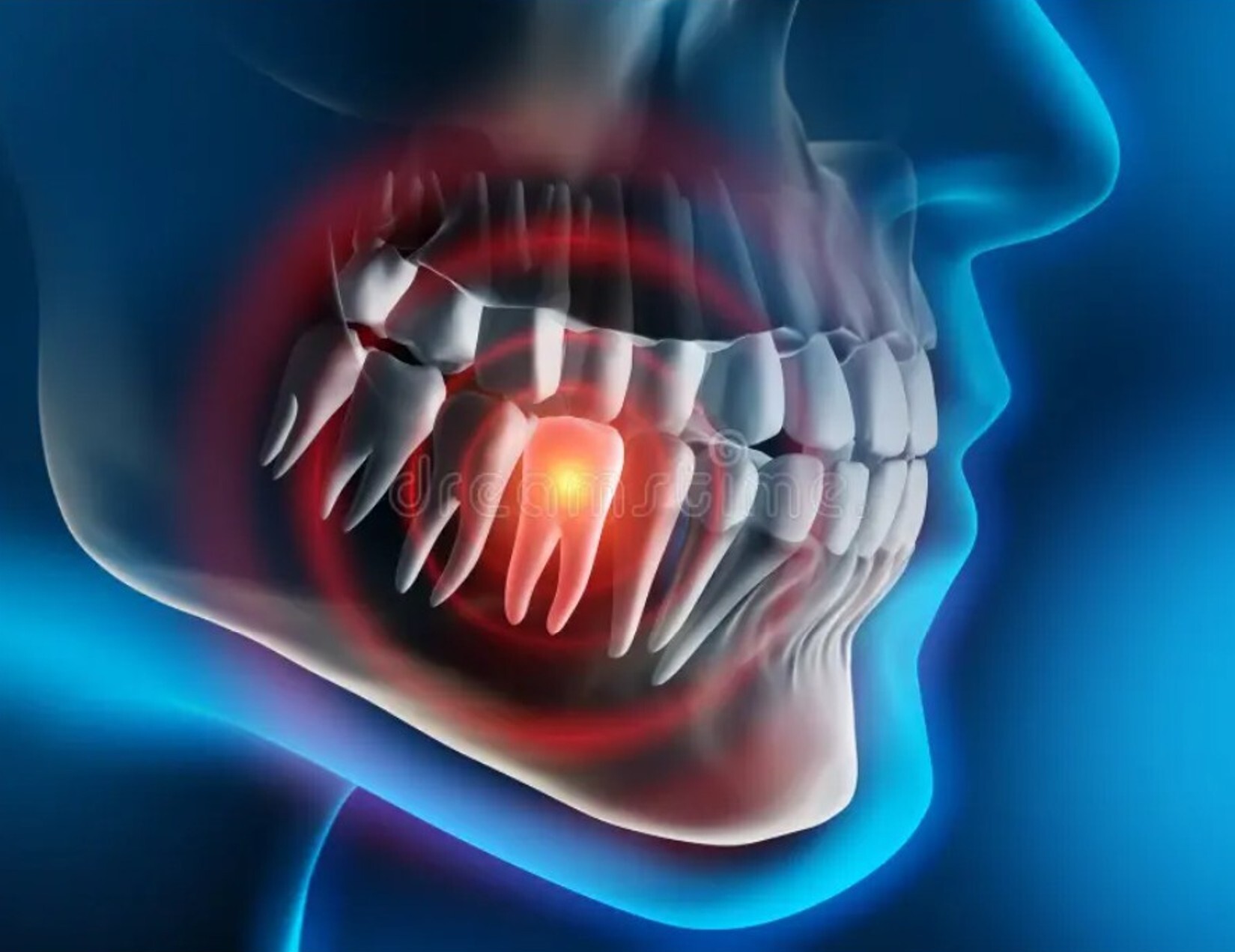
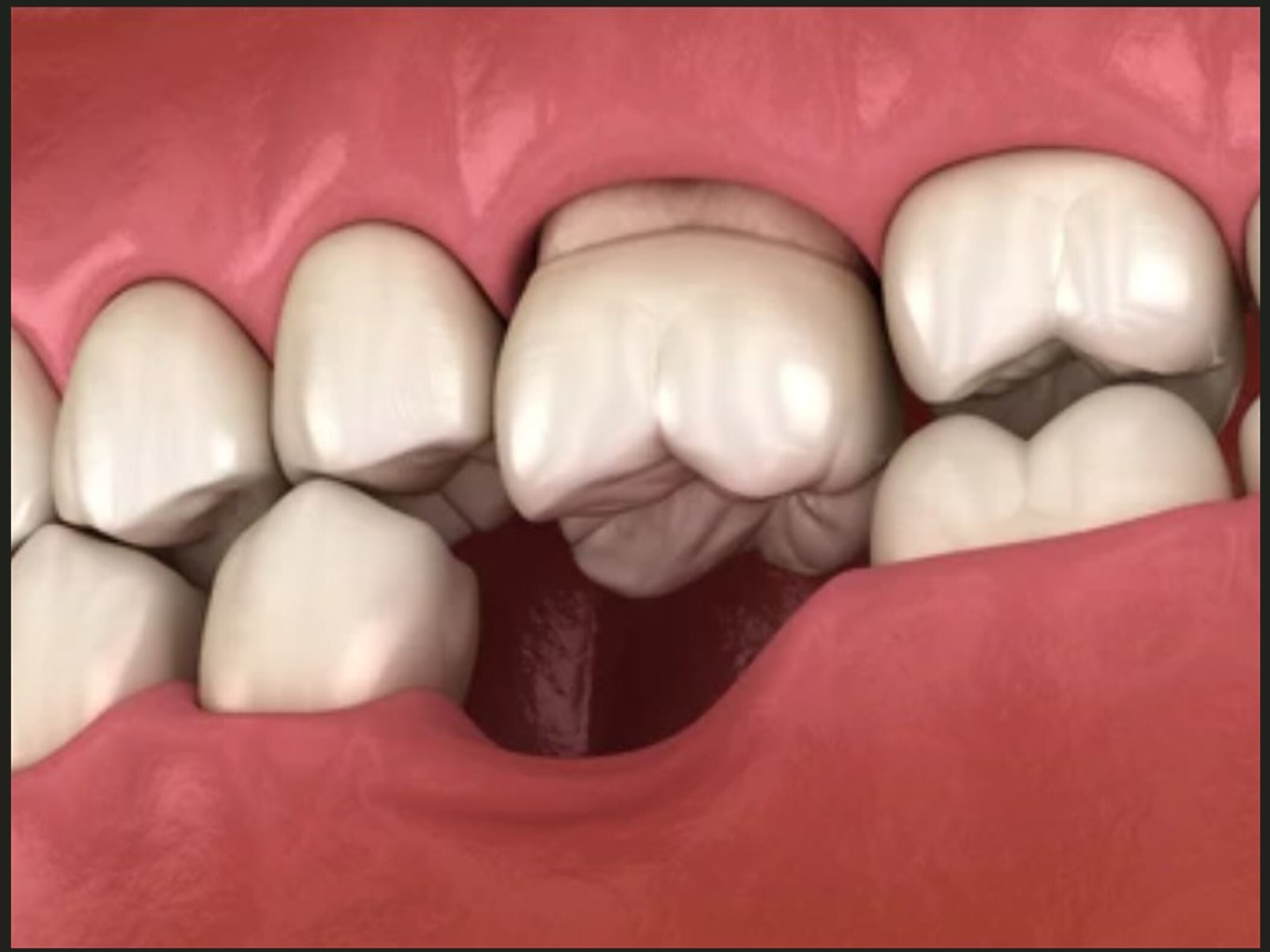
If a tooth is too damaged to restore due to decay, infection, or gum disease, extraction may be necessary to prevent spread and allow for healing.
Laser Gum Treatment
This minimally invasive option uses a dental laser to remove infected tissue and bacteria under the gumline without traditional incisions or sutures.
General Periodontal
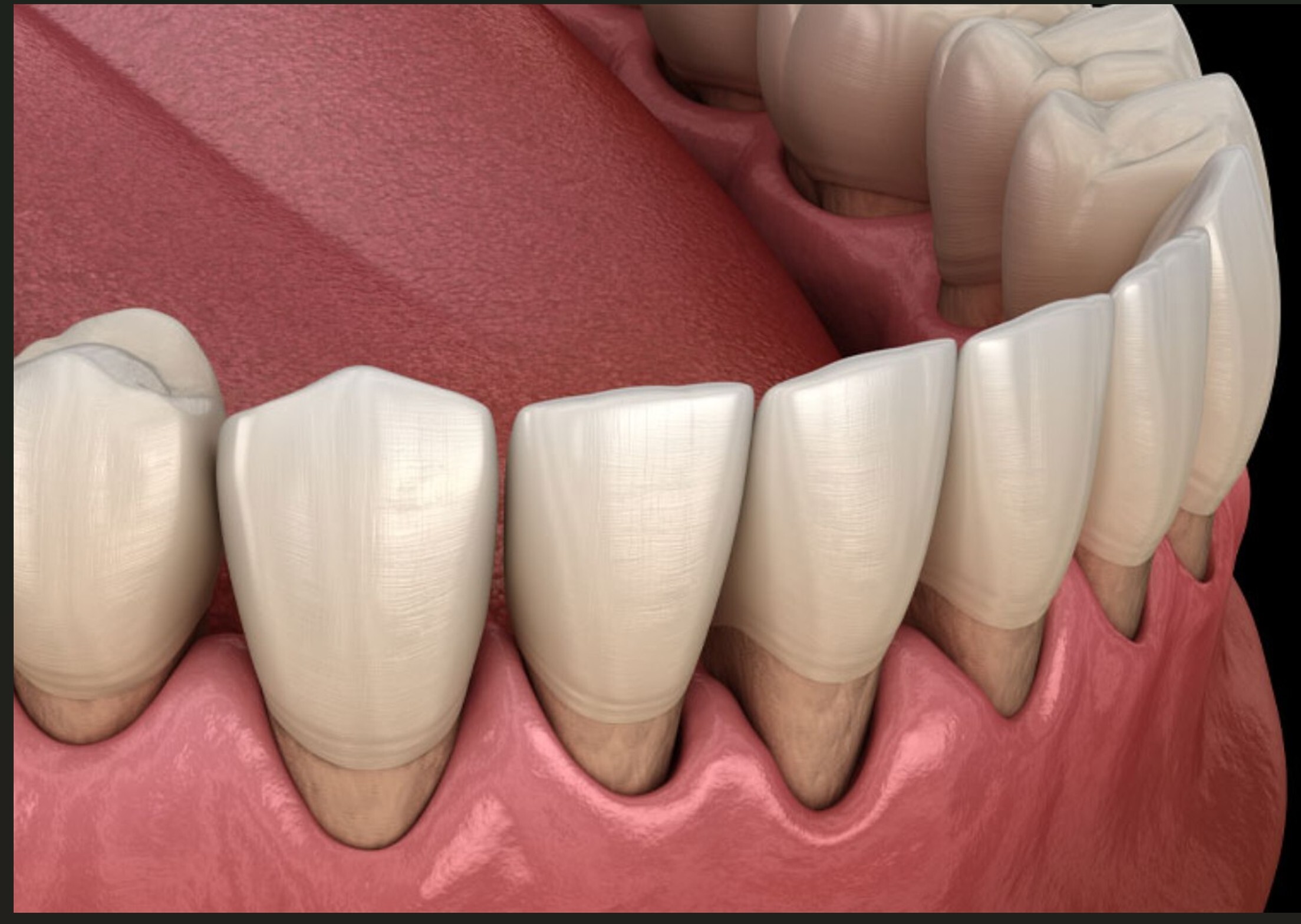
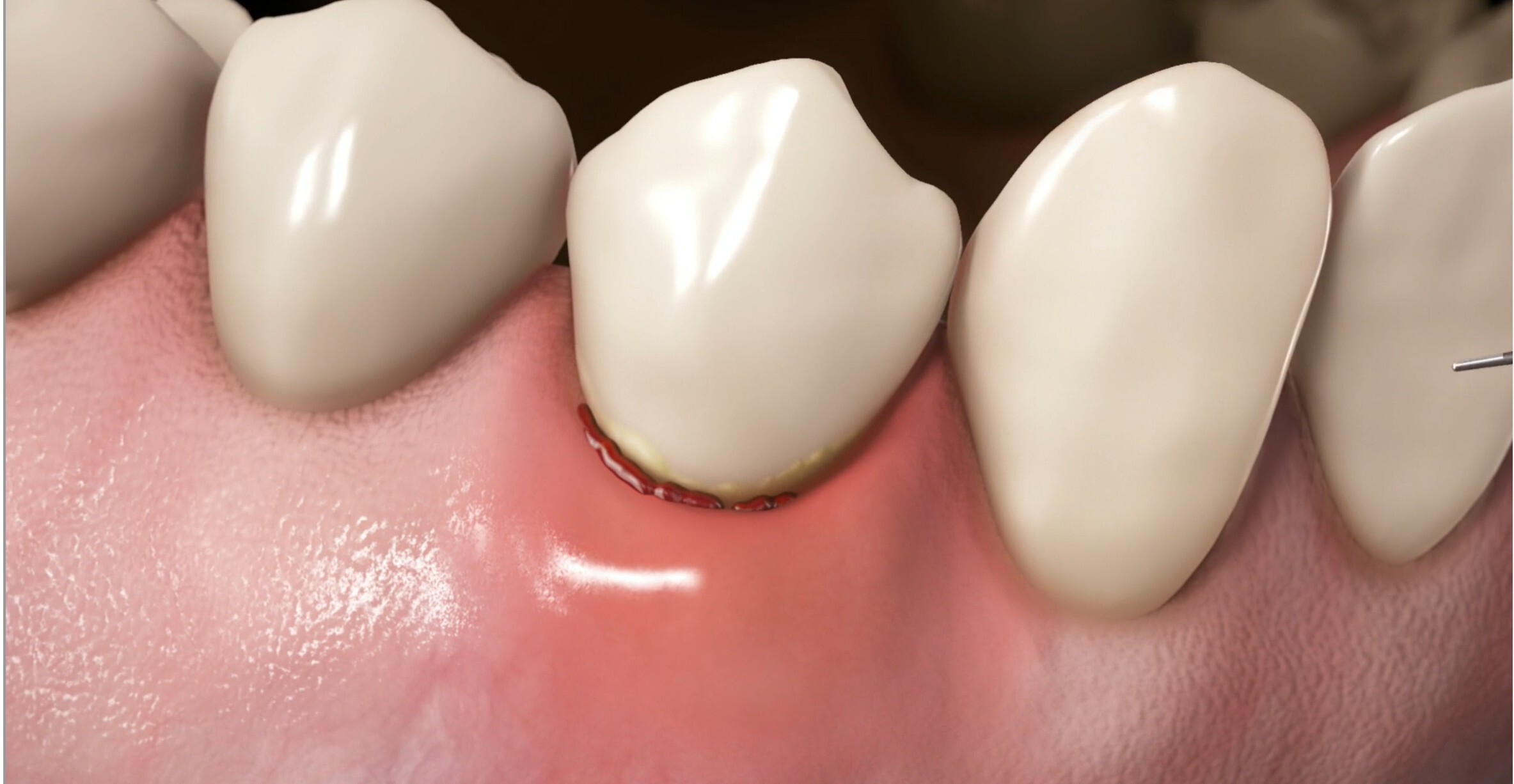
Common symptoms include bleeding gums, bad breath, gum recession, loose teeth, and swelling. Early stages may be painless but still destructive.